Top 24 English Football Grounds Advent Countdown 2018: 4th December

19 Leeds (1)

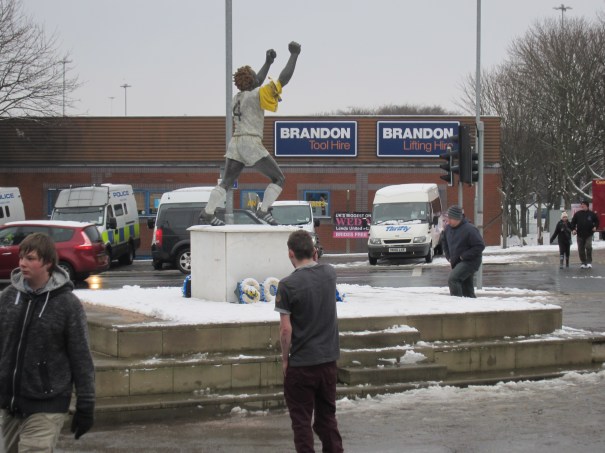
Day 4 – Ground no. 21: Elland Road, Leeds United

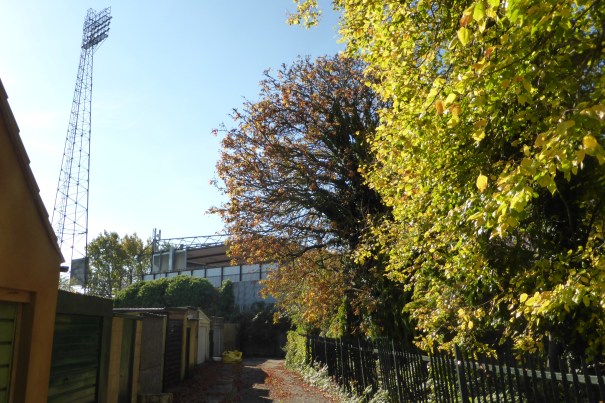
An old school ground with three of the stands very traditional 1950’ish to 1970’ish, dramatically upset by the huge cantilevered East Stand from the early 1990’ies. Almost brutal. It somehow reflects how Leeds were suddenly stopped in their tracks by overspending. On a freezingly cold January day, the contrasts between the stands, the Old Peacock pub across the road, the defiant Billy Bremner statue, and the fans wearing only t-shirts summed up what English football is about.

19 Leeds (3)IMG_116519 Leeds (4)19 Leeds (2)

21. Elland Road, Leeds United

22. The County Ground, Swindon Town

23. St. Andrew’s, Birmingham City

24. St. James’ Park, Exeter City

Posted in Uncategorized

Top 24 English Football Grounds Advent Countdown 2018: 3th December

20 Swindon (1)

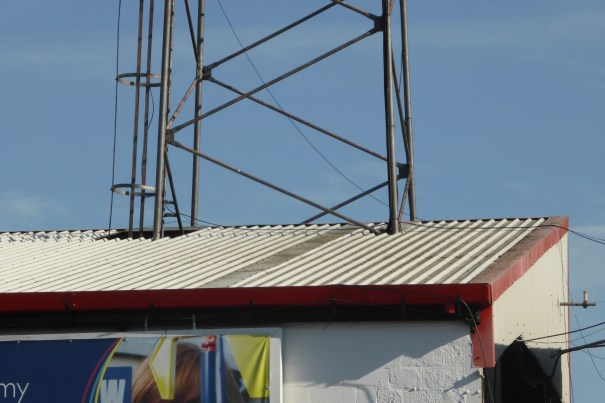
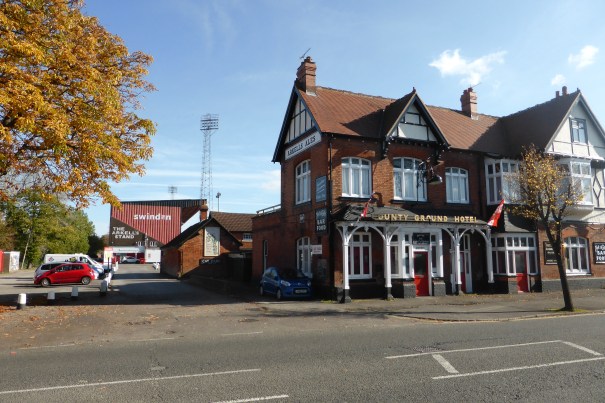
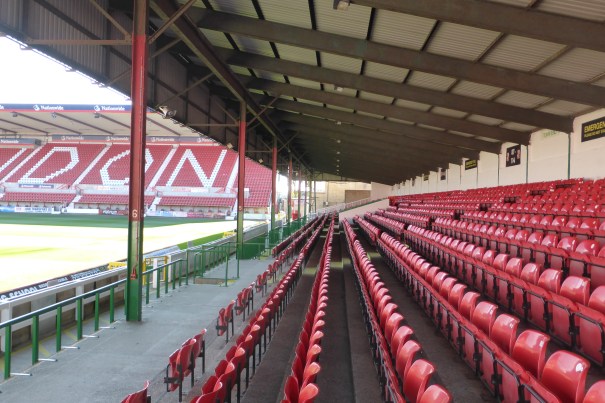
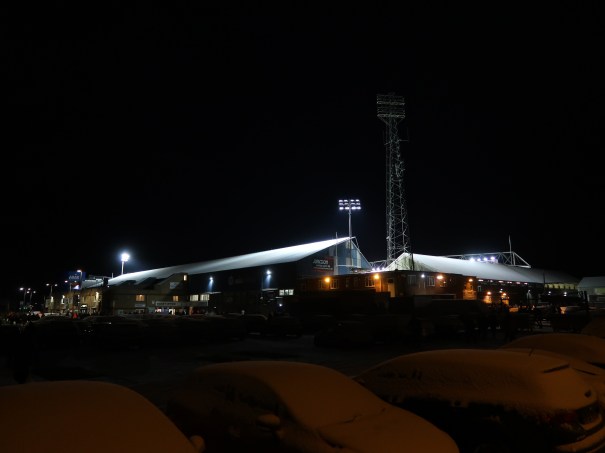
Day 3 – Ground no. 22: The County Ground, Swindon Town

A proper old school ground! The County Ground pub right in front of the ground is a must! The four stands are oh so different, adding character to the ground. The floodlight pylon going up through the roof of The Town End is brillant. With a cricket ground to one side and terraced streets to the others, it is very much a community stadium. And then there is the magic roundabout – formed by five small ones! Surreal! So surreal that my camera broke down and I failed to capture the magic of a floodlit match there.

20 Swindon (3)20 Swindon (4)20 Swindon (5)20 Swindon (6)

20 Swindon (2)

22. The County Ground, Swindon Town

23. St. Andrew’s, Birmingham City

24. St. James’ Park, Exeter City

Posted in Uncategorized

Top 24 English Football Grounds Advent Countdown 2018: 2nd December

21 Birmingham (1)

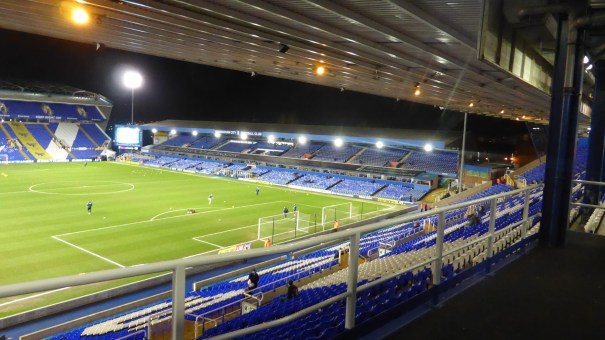
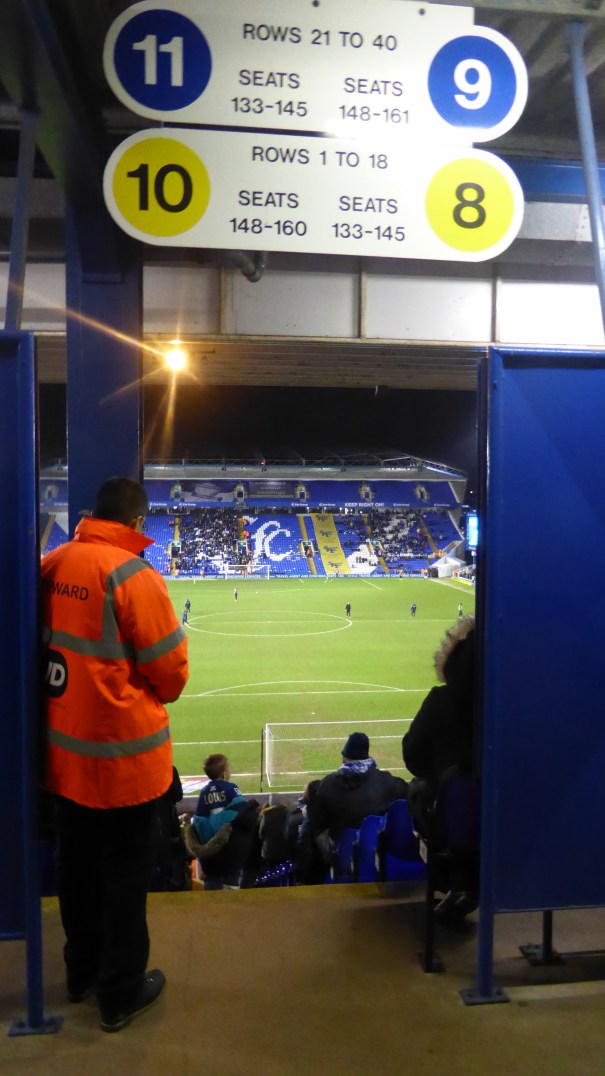
Day 2 – Ground no. 23: St. Andrew’s, Birmingham City

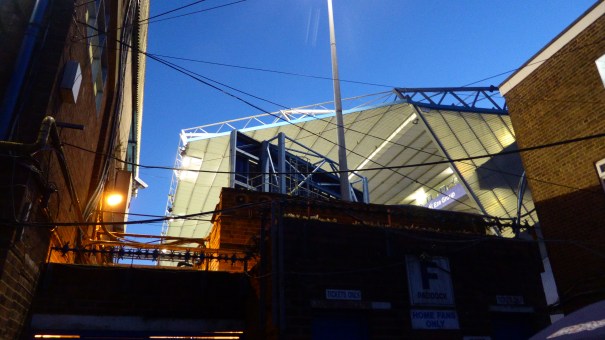
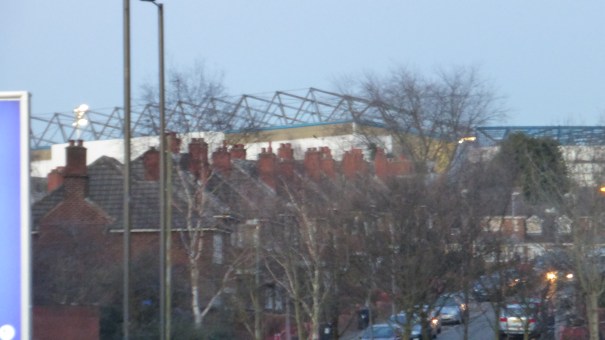
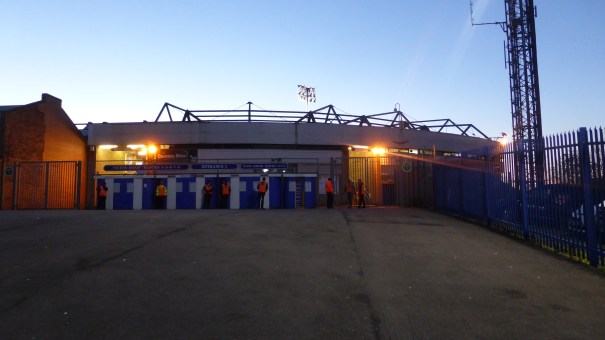
It nestles on a hill top above the terraced streets, almost like a medieval castle – just a short walk from the city centre. Bathed in floodlights at night, the effect is stunning.

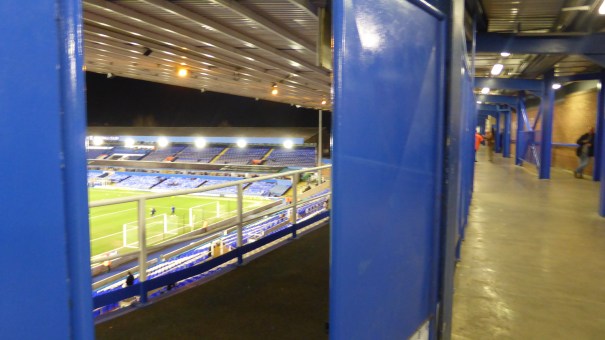
The two-tiered main stand with its pillars is a proper old school stand, yet the single-tiered L-shaped Kop and Tilton Road stands from the 1990’s match it impressively well. The concourse is not the usual modern parking house concrete, it is warm, open, spacious with good views of the pitch. No wonder, the atmosphere is good.

21 Birmingham (2)21 Birmingham (3)21 Birmingham (4)21 Birmingham (5)P1150571

23. St. Andrew’s, Birmingham City

24. St. James’ Park, Exeter City

Posted in Uncategorized

Top 24 English Football Ground Advent Countdown 2018: 1st December

25 Exeter (3) - Kopi

Day 1 – Ground no. 24: St. James’ Park, Exeter City

Sadly, the old Stagecoach stand has been replaced by a modern stand this year. I loved it. It looked like a robber’s castle, irregularly shaped, only covering two thirds of the field. At least the new one has the same size. I hope a little of the magic is preserved. Still, there is the impressive standing terrace, the strange integration of the neighbouring school building for office, hospitality and community facilities. And the houses opposite St. James’ Street overlooking the pitch-

P113021625 Exeter (4)

25 Exeter (1)25 Exeter (2)25 Exeter (5)

24. St. James’ Park, Exeter City

Tagged with: ,
Posted in Uncategorized

Top 24 English Football Grounds Advent Calendar 2018

From Saturday 1st December, I will start my countdown of my top 24 current English football grounds. Six photos, six lines of text.

Grounds like Highbury, Boleyn Ground, White Hart Lane won’t feature, as they have been demolished. Old Trafford won’t feature either, as I could be accused of being biased as a Manchester United fan.

But here it is as a sample – or a preview of the concept.

03

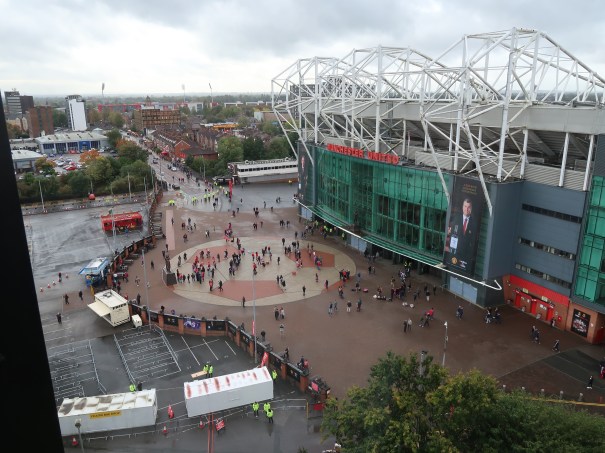
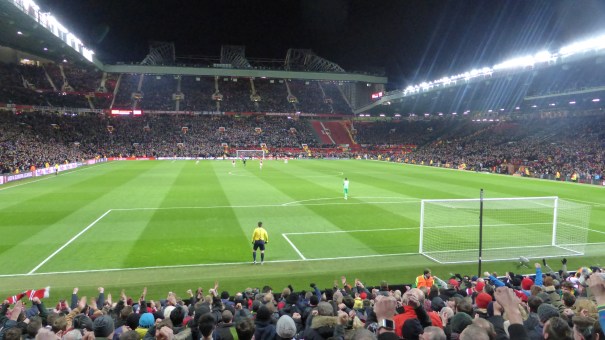
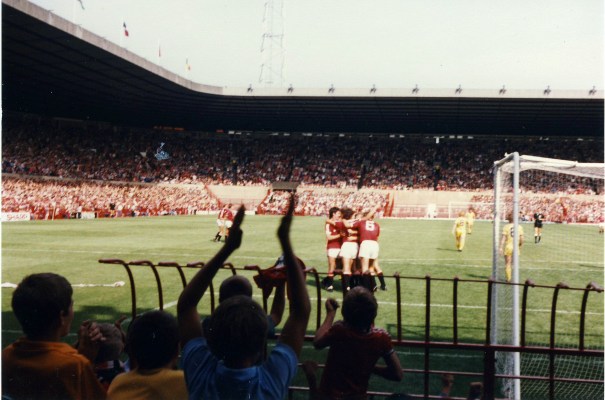
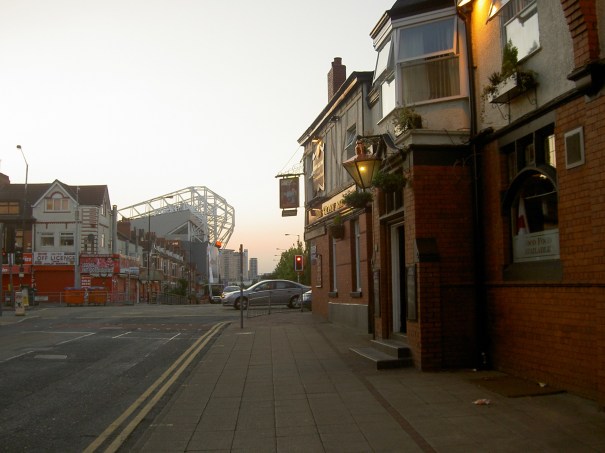
Day 0 – ground no. ? – Old Trafford, Manchester United

The sheer size of the current Old Trafford is impressive. And it glows magicly in the floodlights for evening kick-offs. Yet, I must admit, I prefer the old one. With standing terraces and the factory/fortress like look.

Maybe that is why, it is the walk up Warwick Road – or Sir Matt Busby Way, the Red Legends Souvenir shop, Lou Macari’s Fish ‘n chips and the streets behind the stadium that really makes me feel at home, when I go.

0405Nottm - Forest goal01PICT1544

Tagged with: , , , ,
Posted in Uncategorized

Top 24 English Football Ground Advent Calendar coming up!

09 Peterborough (1)

From 1st December, I will run down my top 24 of current English football grounds as an advent calendar for all fans of English football and football grounds. And especially those who like to argue, which ground is the best!

Each ground will be presented in six photos and six lines of text. Find out if you agree with my listing by following the blog – or clicking in every day! And feel free to comment!

It is only Christmas once a year!

Posted in Uncategorized

Farewell to a football ground. Bootham Crescent in York

IMG_5383After watching the Yorkshire derby between Sheffield Wednesday and Leeds United on the Friday night, we head to York for another one derby – between York City and Guiseley in the Vanamara National League North. York City has been at the top of my priority list, as this season is the last chance to attend a match at Bootham Crescent. At the moment, a new ground at Monks Cross is well under way and should be ready for the start of the new season. Bootham Crescent has been earmarked for a housing project.IMG_5656

Before the visit, I read up on Simon Inglis’ article on Bootham Crescent in his book on English Football Grounds. When York City moved to the Yorkshire County Cricket Clubs ground in Bootham from Fulfordgate back in 1932, the argument was that Fulfordgate was too far from the center of the city. A football ground should be right at the centre, close to the station, and where most people live. There were ten times more people living within a mile of Bootham Crescent than within Fulfordgate. Even then, though, a couple of former directors spoke strongly against the move, as they foresaw that there wouldn’t be sufficient parking facilities at Bootham Crescent for the rising numbers of cars. Fulfordgate was 2½ miles from the station. Monks Cross is 3½ miles.

IMG_5378

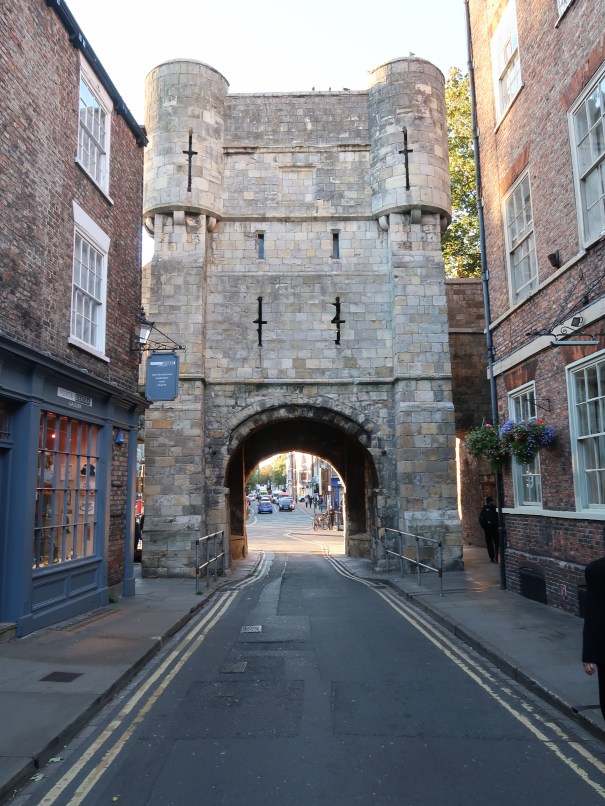
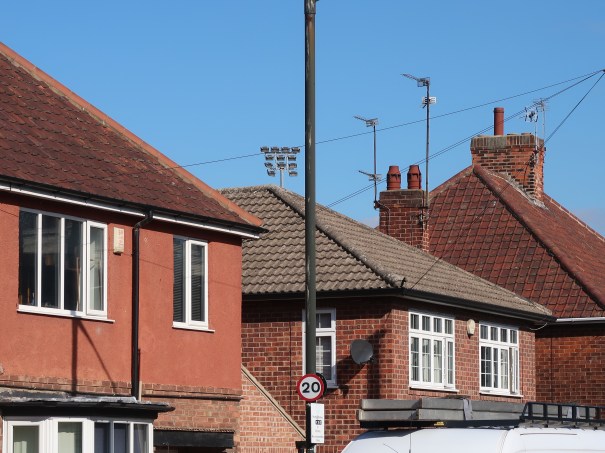
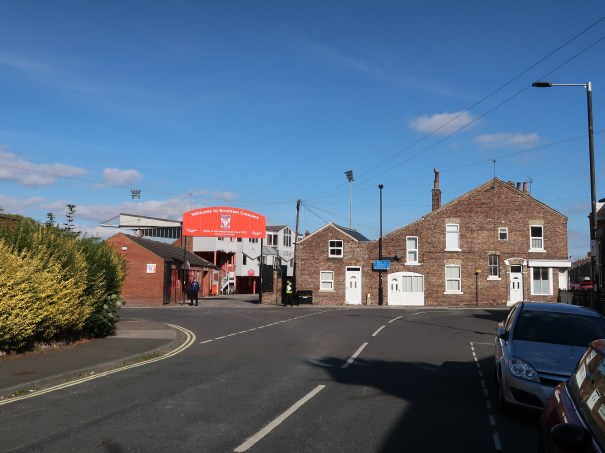
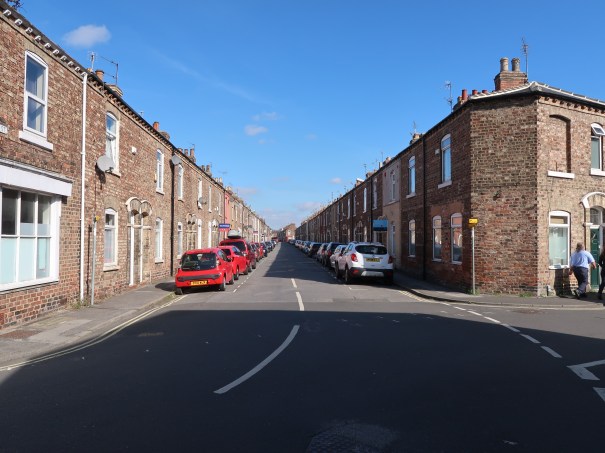
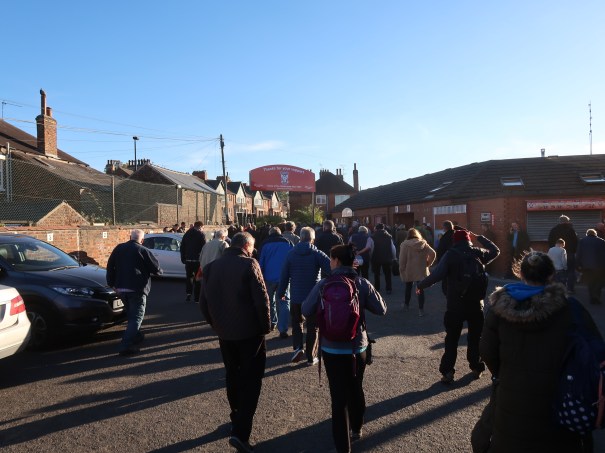
One of the main attractions of Bootham Crescent is definetely the location. So close to the wonderful historical city center of York, named after Bootham Bar in the city wall. And it is hemmed in by housing and a school. It is always a thrill to spot a good old-fashioned floodlight pylon over the rooftops as a beacon showing the way to the ground. Of course, this effect is much stronger for evening matches, where the lights spill out into the streets. That was one of the few things I missed at Hillsborough the previous night.

IMG_5380

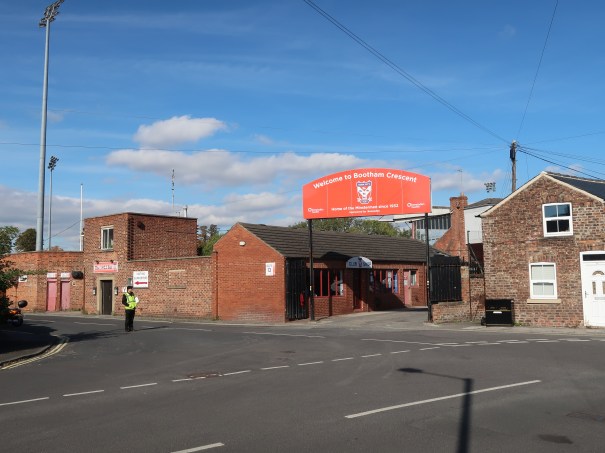
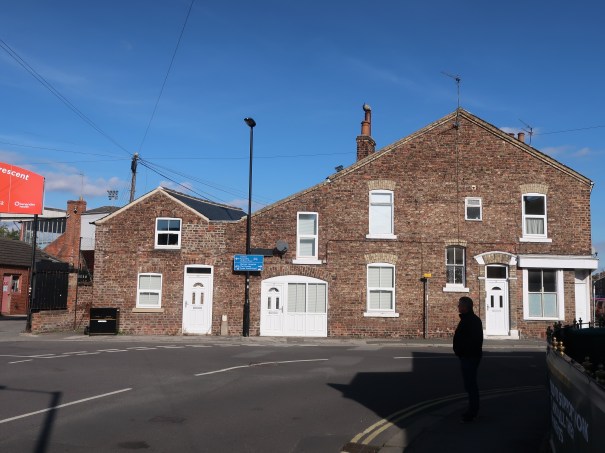
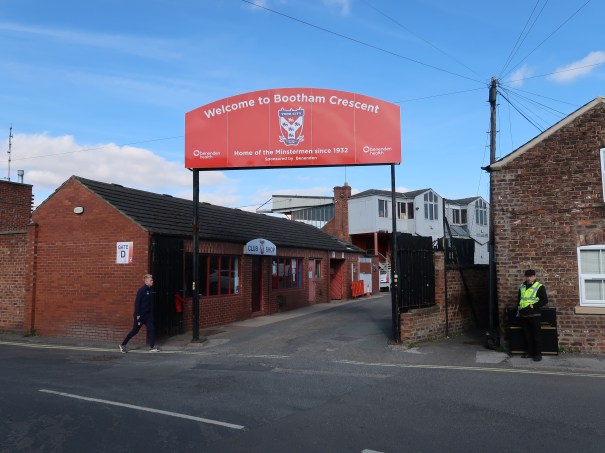
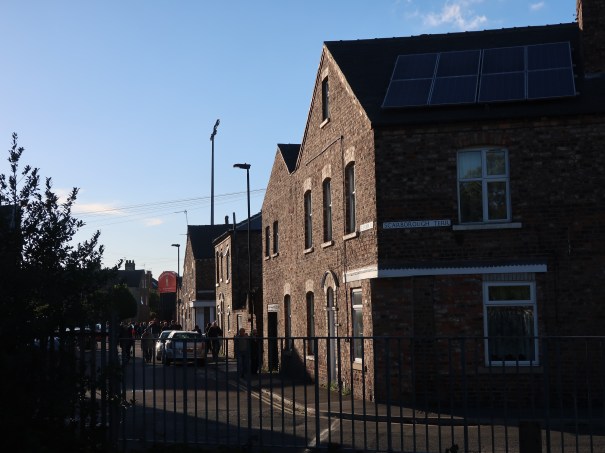
At the end of the road, a red sign over a driveway welcomes us to Bootham Crescent. If it wasn’t for the floodlight pylons and the sign, you could be forgiven for overlooking that there is football ground behind the housing in Newborough Street. Yesterday, at Hillsborough, the housing was built after the football ground. Here, the football ground took over from the cricket ground long after the houses were built. Either way, it seems that the ground and the housing has organically grown together to become the heart of a community. The football ground breathes life into the streets, and the housing seems to shield the football ground like an incubator.

IMG_5382IMG_5386

As we enter the driveway we are welcomed by a steward. Nowadays, the stewards at some grounds are so alert to any security risk that you are treated as a trespasser, when you go near the ground. But not here. He is friendly, chatting, telling that there will be a game on in the afternoon. Maybe a small detail. But a detail that enhances the impression of a community club.

IMG_5388

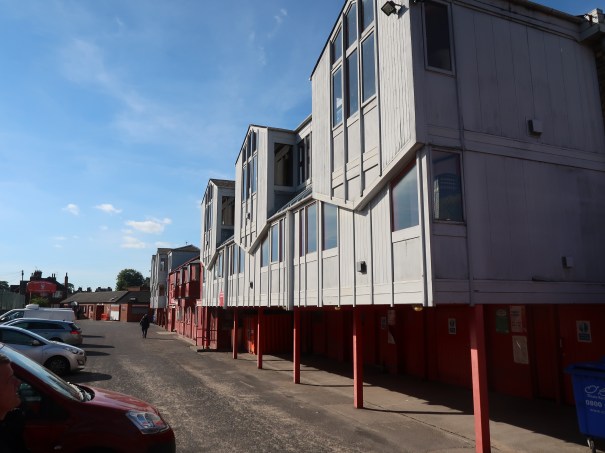
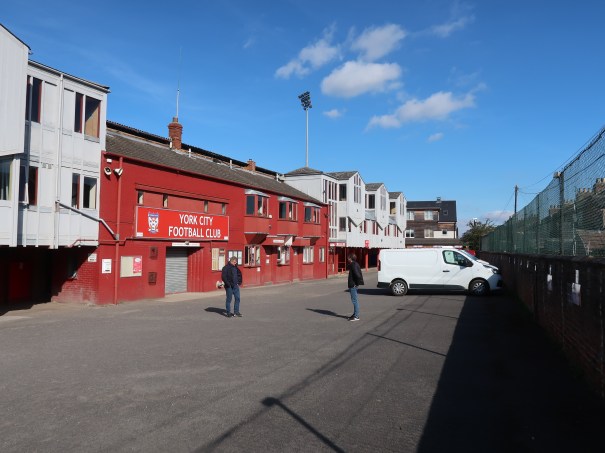
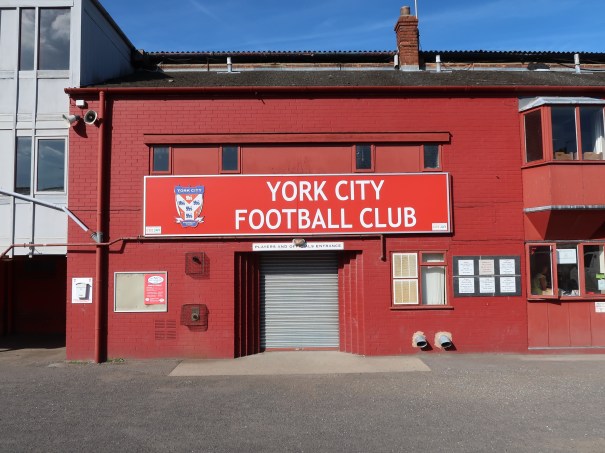
The driveway widens to a parking lot behind the main stand. It oozes atmosphere. To the right, you can see the back gardens of the houses in Newborough Street. To the left the main stand. It may not be huge, in fact, it only runs two thirds of the length of the pitch, but with the red brick walls and the rather unusual white wooden chalets to either side, it is one of the most distinct stands, I have come across. Not like the depressing modern concrete-glass-steel constructions. Nor the older, sinister tin cladden ones. It is not extravagant, but the people who built it, have cared about giving it a warm and welcoming facade.

IMG_5402IMG_5403

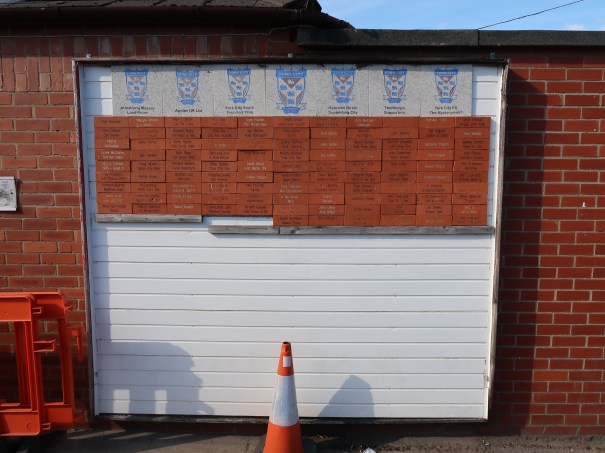
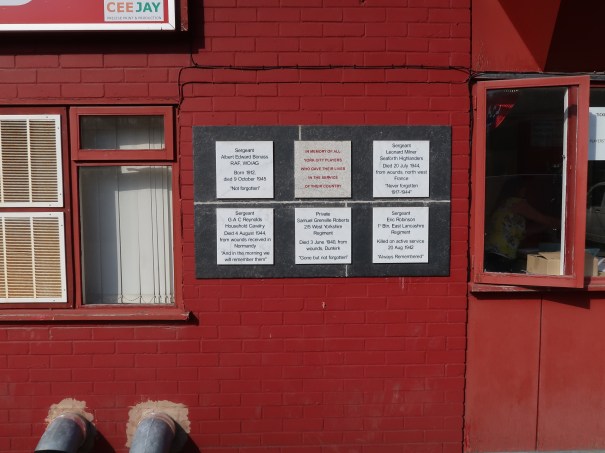
Over the past few years, most clubs have put up memorials for their players who lost their lives in wars. A development that seems to have accelerated with the centenary of the outbreak of WW1. At the same time, clubs have offered fans the opportunity to put up memorial stones for their relatives – with some clubs going all the way establishing memorial gardens, where fans can have their ashes scattered. The problem, though, is when clubs move to a new ground. Memorials you can take with you to the new ground. It is more difficult with ashes. Graham Sharpe wrote a book, “The Final Whistle”, back in 2001 about football and death. Among other things, he wrote to all football clubs and asked, if they permitted scattering of ashes on the pitch. York City responded: “The club does not permit scattering of ashes on our ground. We do, however, allow ashes to be deposited in a hole.” I wonder, if they plan to, somehow, bring these ashes to the new ground? The stones certainly seems to only have been fitted in temporarily on a wooden board, rather than in the wall itself. An indicator that they will be taken to Monks Cross?

IMG_5395IMG_5405York City’s head of press, Ian Appleyard, has been so kind as to take some time off from matchday preparations to show us around the ground. He explains that the stadium move is the only sensible thing for the club. The costs of maintenance in the old ground are huge, whereas the facilities for hospitality (and the income it generates) are limited. At the new ground, it will be the other way around. There is no financial risk involved. The new ground is being built and will be owned by the city council, with York City only having to pay a rent. That should make economy of the club a lot stronger.

We take a look at the main stand from the other side. It was built as the football club took over from the cricket club in 1932, and it was extended in 1955 thanks to the revenue from at good cup run. Looking at the stand, it looks pretty harmonious, but when you look carefully, you notice there are two extra gangways to the left of the players tunnel. IMG_5437

Today, the main stand holds 1,757 seats. The 8 rows at the top are good oldfashioned wooden seats, whereas 5 rows of plastic seats have been fitted at the front in the old paddock. At a glance, it looks as though there is slightly more leg room for the wooden seats.

IMG_5447IMG_5626

The roof of the stand has been extended to cover the new plastic seats. But whereas the wooden seats are covered by glass windscreens to the side, the plastic seats do not have the same cover. It would probably interfere with the view from a number of seats.  As it is, three pillars supporting the roof do obstruct the view slightly for some of the wooden seats. But the pillars are so slim, that there will be no problem, as long as you move slightly in your seat.

IMG_5413IMG_5435

Opposite the main stand, is the Popular Stand. It is slightly smaller, holding 1,652 seats. They were installed in the stand in 1974, when York City made it to the second tier of the English league system for the first and – for the time being – only time. At this date, plastic seats had taken over.

IMG_5423

The advertising hoarding of the Popular Stand is fitted to an old-fashioned white picket fence, of the kind that you will find in most photos from football grounds in the 1950’s and 1960’s. According to Simon Inglis, sections of the old terrace cover of Fulfordgate were reerected over the Popular Stand, when York City moved here in 1932. I wonder if it is still the same roof. IMG_5439IMG_5587

To the South of the ground, the Grosvenor Road End is an open standing terrace for up to 1,700 away fans. It is rather basic. According to Simon Inglis, the stand was fenced off at the rear in the 1970’s, as cracks appeared in the retaining wall, which led to the capacity of the ground being reduced from 16,500 to 13,500. If the figures are correct, the capacity was reduced to just over a third of the original, so the reduction was quite considerable.

IMG_5422IMG_5430IMG_5436

Opposite the Grosvenor Road End is the Shipton Street Stand, that was renamed the David Longhurst stand, when it was covered in 1991. Longhust was a 25-year-old York City player, who collapsed and died during a match against Lincoln the previous year. That is where we will standing for the match, so we don’t go down there. But from the Grosvernor Road End, you can see that the old club crest of Bootham Bar flanked by two lions that were put on the roof top, when it was erected, has been removed. Probably when motor racing driver John Batchelor took over the club in 2002. As he was the first to come up with plans for relocating the club, he also played down the club connection to Bootham by replacing the club crest.

IMG_5433

After the tour around the inside of the ground, we decide to take a walk around the outside. We walk along the Grosvenor Road End. From the outside, the fencing off of the rearsection in the 1970’s has made it look a bit of a mess. A social club named the 1922 Bar is built into the old brick wall, shielding off the unused terrace next to the main stand. But from the floodlight pylon near the corner flag, is it a grey 1970’ish concrete wall. IMG_5389IMG_5456.JPG

As we realized that the Popular Stand as well as David Longhurst Stand are hemmed in by housing, we go to the Minster Inn for a drink before the match. One of the locals is surprised that we are going to the match. The team is so bad at the moment. We tell him that we have mainly come to see the ground. He replies that he doesn’t intend to go to Monks Cross. “At Bootham Crescent you can at least leave early, when the match is crab, to go for a drink here”.

IMG_5474

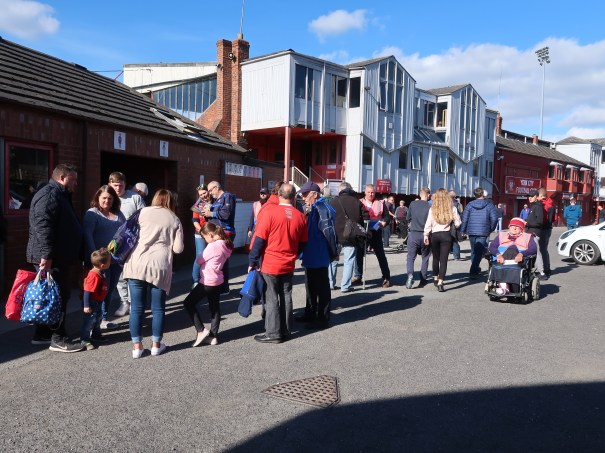
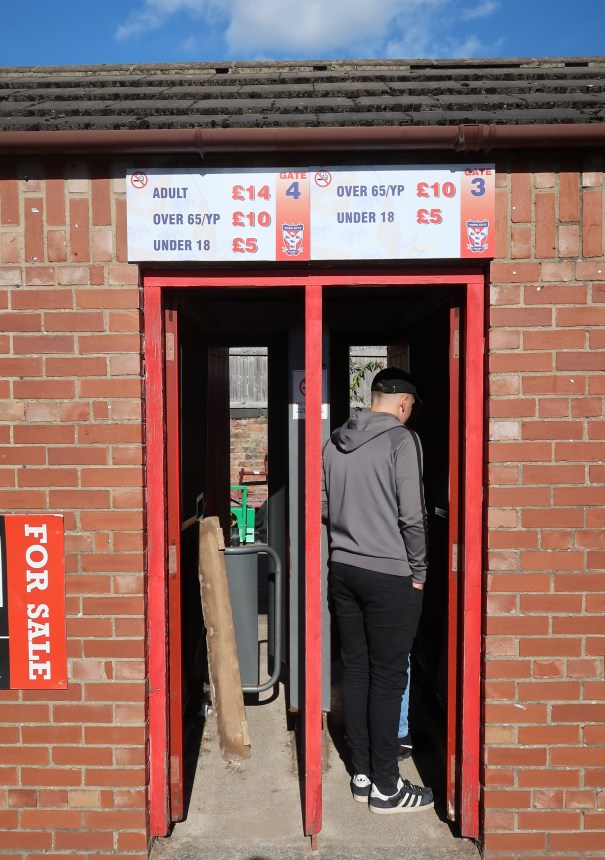
We get back to the ground an hour before kick-off. The gathering crowd only add to the warm, friendly atmosphere. We head for the turnstiles for the David Longhurst Stand, but are stopped just outside by a guy conducting a visitor survey. “What is your postal code?” He looks bewildered as we answer “3460”, and we explain that it is a Danish code.  The survey becomes quite good humoured. “So as for the question about how you got here today, it must be by plane and train, then”. That is right. He becomes slightly apologetic about the next question. “Do you plan to go matches again next season?” “We assure him that we do, and enter, paying at the turnstile. It seems a little late to conduct a survey to find out, if fans will follow the club to the new ground, as Bootham Crescent has already been sold.

IMG_5482

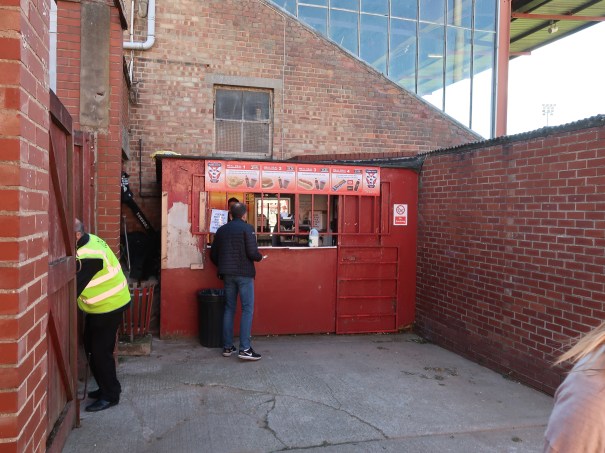
Inside the ground, we have a pie. I always do my best to get the chicken balti pie up the national pie charts. It is not pukka pies – and it is quite spicy. There is no concourse under the stand, but a kiosk has been put up by the wall of the short main stand.

IMG_5487

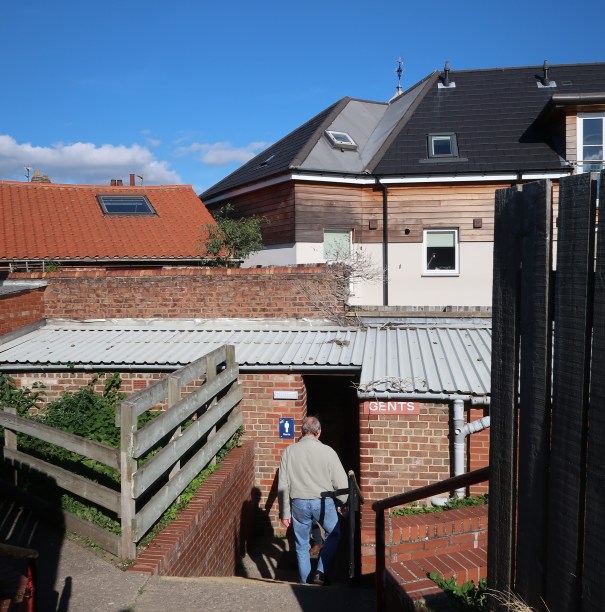
The guy at the pub had told us, that we the toilet facilities are a must-see. I have read that there are open-air urinals at the away end. I don’t know what to expect here. I follow the signs along a path behind the stand. This is the walk around the ground that you cannot do on the outside. Finally it leads to a small building bordering up to the garden of a neighbouring house, but the facilities are ok.

IMG_5504 (2)

It is warm day with bright sunsunshine. Wonderful to stand on a terrace where the crowd is gradually building up. Being seated at a football match is just not quite the same. I read in the programme, that York City hope to have a safe standing section at the new ground. That is certainly a positive, although I doubt it will be quite the same as a standing terrace like this. The intention of safe standing is still that every single fan should be allocated a specific place to stand. But it is the ability to move around and find a good place next to your mates that is making a standing terrace come alive. We find a place with a crush barrier to lean on.

IMG_5489IMG_5539

As the crowd builds up, and the match gets underway, the marked difference between a standing terrace and a seated stand becomes ever more prominent. There is a din of people talking with each other constantly. The atmosphere the previous night at Hillsborough had been good, with plenty of chanting and oohs and ahhs. But when the game slowed down and ebbed, it grew quiet. You don’t chat with your mates in the same way, when you are seated. It becomes even more apparent to us the next day. Before catching our flight back to Denmark, we go and see Manchester United’s Women against Durham. The attendance is exactly the same – and at Leigh sports village we are all packed into the same stand, which is almost full. The match is technically good – but it is quiet as a grave. No atmosphere at all. You can hear the players talking, you can hear every kick of the ball. Nobody says a word. Of course, there are many things to the difference. Leigh Sports Village is a modern, barren, depressing stadium, whereas Bootham Crescent just feels like home after 10 minutes. The crowd composition is different. At Leigh, it is mainly families with small children going as a group. I always do a count of the gender composition in the section of a ground I visit. At Leigh, it is 51% women, here at Bootham Crescent it is 12%. And if I had added the proportion of children, the difference would have been just as stark. The point is that a standing terrace is a place where mates meet for the match and chat. And have a good time. The crowd at Leigh could just as well have been in a cinema, watching a spectacle. I wonder if safe standing will be able to function as a meeting place in the same way.

IMG_5571IMG_5559

Modern football grounds are usually structured as closed bowls, where you are completely cut off from the outside world. As a principle, I quite like that. To be completely absorbed in special world. Earlier this year, I attended a match with Manchester City’s women in their Academy stadium. And it really ruined the match experience that you could see as well as hear the cars driving past the ground. Disturbing. As I look round Bootham Crescent, the open spaces in each corner between the stands make it anything but a bowl. But here, it just adds to the atmosphere.IMG_5508

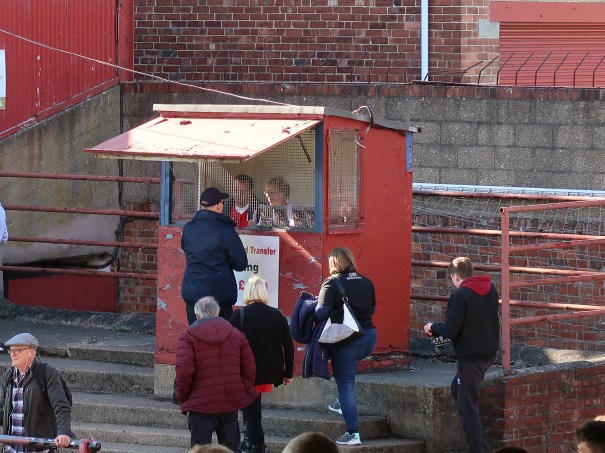
In the corner to my right, there is stall where you for £1 can transfer from the standing terrace of the David Longhurst stand to the seats of the Popular Stand. IMG_5573

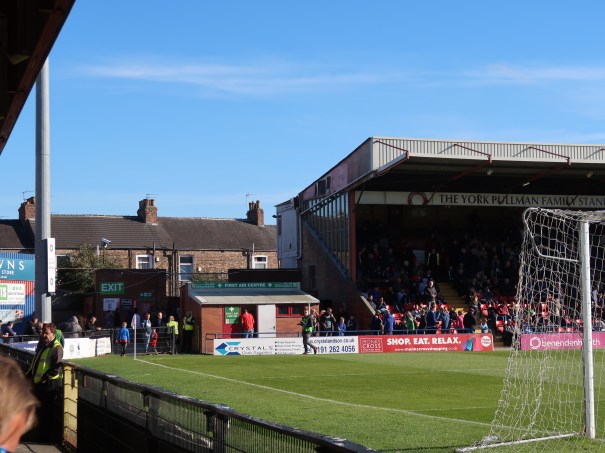
In the corner to my left, there is first aid centre in front of the food stall. And behind the ground is hemmed in by the terraced housing of Newborough Street.IMG_5596

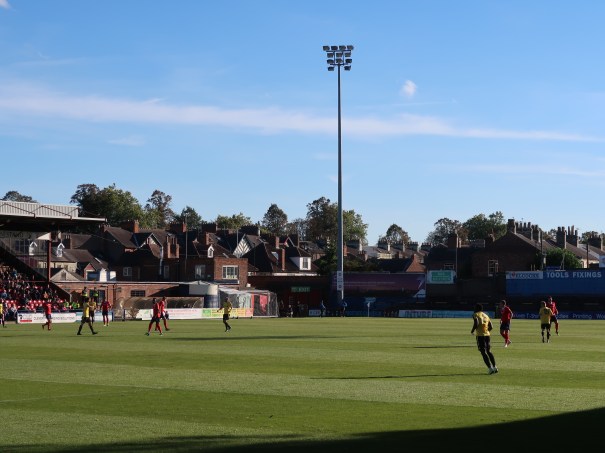
In the far left hand corner, you can see the social club building and another supporters club  building – and behind them the houses of Bootham Crescent.IMG_5597

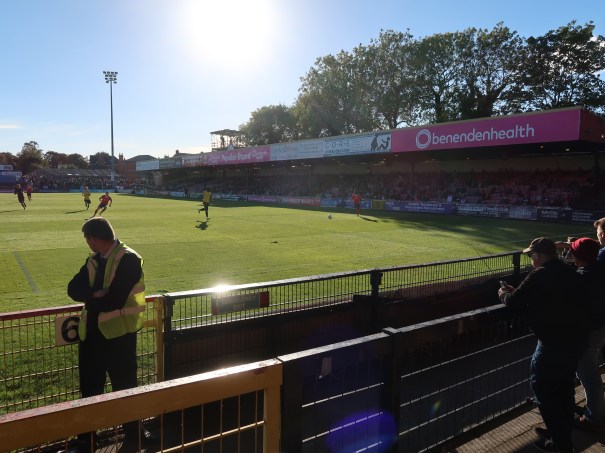
And finally the far right hand corner is filled with away supporters from Guiseley (over 200) – again with the housing in the background. The football ground and the housing are intertwined. It really feels like the heart of a local community. And the different functions in the corners add to buzz of life around the ground. This is really old school football, rolling back time. To me, it is really nostalgic to see a guy with a radio following the football scores rather than a smart phone. As a teenager, I went every Saturday afternoon to see my local Danish team, Frem play, equipped with a radio so I could listen to the English scores on BBC world service. A lot of people popped around to hear the latest scorelines from me. Well, now I get my scoreflashes on the smartphone just like everybody else.

IMG_5579

The match is quite entertaining. Guiseley take an early lead from the penalty spot and seem to be in complete control for the opening 15 minutes. The local fans vent their frustrations. Apparently, they have had a few disappointments of late. Then a defensive slip let in York City to equalize.

IMG_5548

York City gathers momentum from the equalizer, and are now the more dangerous team. And duly take the lead five minutes before halftime. They still look good at the start of the second half, and come close to scoring when a free-kick from Sean Newton from a tight angle first hit the underside of the crossbar and then bounces out off the far post. I would have expected the spin of the ball would make it go in.

IMG_5583

With less than 15 minutes left, York get a penalty, and Sean Newton converts it. Two minutes later, he pounces on a loose ball in the area to make it 4-1. It looks as though it could well be rout now, and for the first time the crowd start singing. Not that they have been quiet until then. There have been lots of oohs and ahhs and venting of frustration and anxiety. But now they can relax and resort to singing. But perhaps they shouldn’t have. The York City players relax as well, and Guiseley simply walk through the York defence to pull a goal back, and again the tension spread around the terrace.

IMG_5604IMG_5619

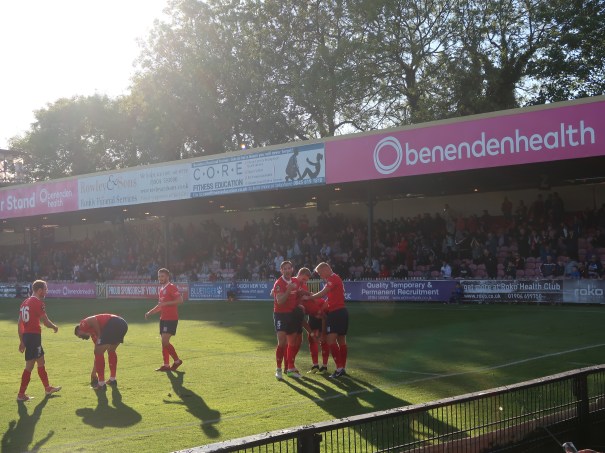
But York City hang on for a deserved 4-2 win. A joyous crowd leave the ground and spill out into the streets. IMG_5636IMG_5646

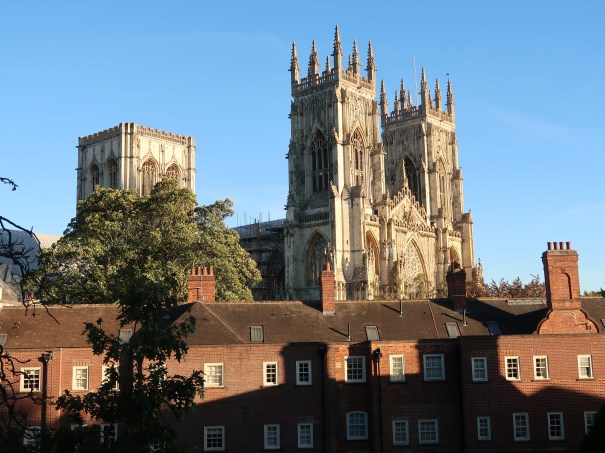
Within a few minutes walk, we are back in the city centre, and we take a walk on the city walls, digesting the match experience as we look at the beautiful cathedral from different angles. IMG_5655

Although Ian’s outline of the financial aspects make it seem the only sensible thing to do, and although Simon Inglis points out that the Bootham Crescent adventure has been a mistake all along, I am not quite convinced. I know that I may be not be the average supporter, revelling in the many different historical layers of a ground. And new grounds will over time probably develop their own layers (although most modern grounds are build from a strict architectural design that doesn’t allow the same piecemeal development that old grounds did). Yesterday we visited Hillsborough, that at the time of building was way outside the city of Sheffield, but within a few years had been swallowed up by it. Who knows, even Leigh Sports Village may one day be swallowed up. The new ground will be part of a leisure complex. Will that generate the life necessary? Is it the intention for all family to go there on a Saturday, with the dad going to the football match, whereas the wife and kids can go swimming or shopping or whatever they want to do? From that point of view, I regret that I haven’t taken my family to York. My daughter would have loved the Harry Potter Shops in the centre, my wife would have loved the city walls and the cathedral; and my son would have loved the football ground as much as me. And then we could all meet again after a few hours. Ideal. Maybe the leisure complex can attract a few families like that.

On the other hand, you might lose fans like our friend from the pub. He didn’t fancy 30 minutes bus ride out of time – and to be a long way away from his pub. For it to work, I think York City have to get two things right. First of all, they have to be successful on the pitch. If results are negative, it may difficult to persuade fans to go to an unfamiliar place outside the centre, breaking old match days routines. And secondly, I hope the architecture is more welcoming than the brutally functional architecture we experienced at Leigh Sports Village. Even though Manchester United’s 17 year old Lauren James was the most amazing talent, I have seen for a long time, I couldn’t follow the team, travelling 45 minutes out of Manchester city centre to this dull place.

I really do wish that York City manage to make the move work. That they manage to make the new ground a welcoming place. One of the few modern grounds, where a relocated club has really managed to make the new ground a special place straight away is Sunderland. Not only bringing some of Archibald Leitch’s criss-cross iron work, but also paying tribute the history of new site. I hope York City manage to do something similar. I will certainly be back some day to see if they succeed.

IMG_5505

For those of you who haven’t visited Bootham Crescent, hurry up! There is less than a season left to see this little gem of a football ground.

Tagged with: , , , , , , , , , , , , , , ,
Posted in Football grounds

The Historical Layers of Hillsborough

For a county with such proud football traditions as Yorkshire, it must be frustrating to be so poorly represented in the Premier League. A couple of seasons ago, Huddersfield Town took over from Hull as the only representative, and at the moment they are struggling at the foot of the table. It is time for either Leeds United or one of the Sheffield clubs to step up. So I have decided to head to Yorkshire for my first England trip of the season. To Sheffield, the city of steel. A derby between Sheffield Wednesday and Leeds at the top of the Championship on the Friday, followed by another Yorkshire derby between York City and Guiseley in the Vanamara National League North. I am travelling with two of my Dynamo Birkerod teammates, Jon and Alex.IMG_5115 - Kopi

It may not be a coincidence that the Yorkshire clubs have had a hard time during the Premiership years. In the wake of the 1980’s and Thatcherism, Yorkshire clubs were probably not geared to compete financially; and when Leeds United tried to do so on the expectancy of increased revenue, the gamble failed miserably. But maybe because Yorkshire clubs were not at the front of the Premiership bandwagon, they seem to have preserved the nerve that has gone missing at some of the big premiership clubs, as the number of corporate spectators and footballing tourists increase at the expense of local fans. In fact, in many ways the Championship has more appeal than the Premiership. It is a highly competetive league, where almost all the teams are competing fiercely, either for promotion or against relegation. The quality of football is good, and crowds are mainly local – and more vocal. There seems to be more old-fashioned football grounds, and it is usually fairly easy to get a ticket for the match.IMG_5218

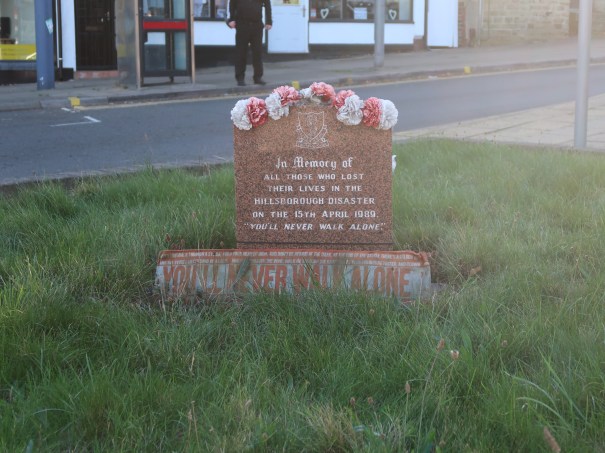
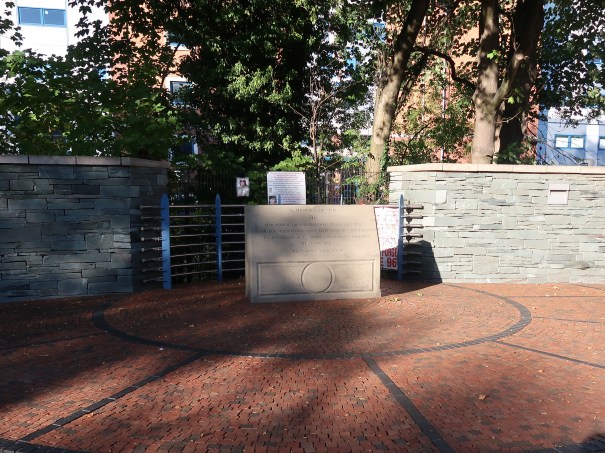
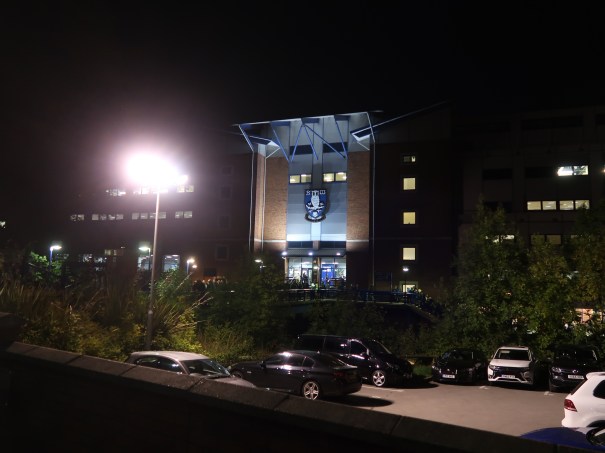
To me, Hillsborough along with Goodison Park is probably the most archetypical English ground, ahead of Fratton Park and Craven Cottage. But, of course, it is impossible to mention or think of the ground without thinking of the horrible tragedy of 1989, when 96 Liverpool fans lost their lives. As the crowd outside the ground built up in the hour before kick-off, the police chose to allow entrance through an exit gate, rather than delay kick-off. But fences penned the arriving fans inside the two sections closest to the entrance tunnel, resulting in a horrendous crush.  So our first destinations are the three memorials for the disaster near the ground. We get off the tram outside The Rawson Spring and walk along the Middlewood Road to see them. Alas, the Walled garden in Hillsborough Park has closed early, as it is a Friday, so we cannot see the memorial garden inside, but we can see the memorial Bill Shankly gates from the outside.  It was opened in 1992 and funded by local residents. A little further down the road is the headstone put up by the local shopkeepers in the center of a junction, shortly after the disaster.IMG_5162IMG_5167

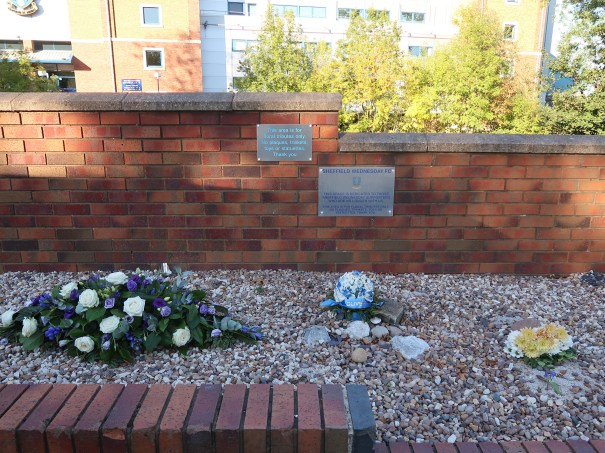
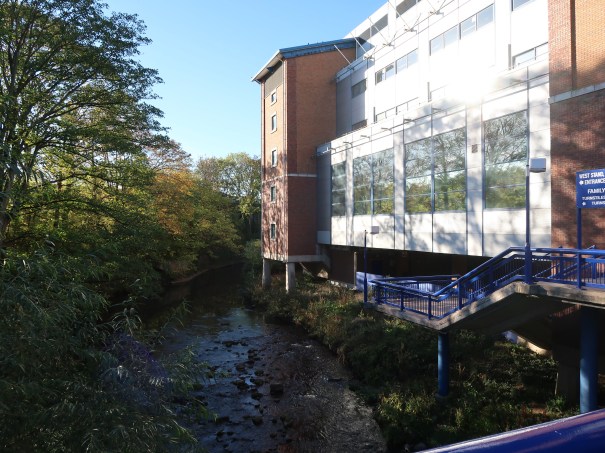
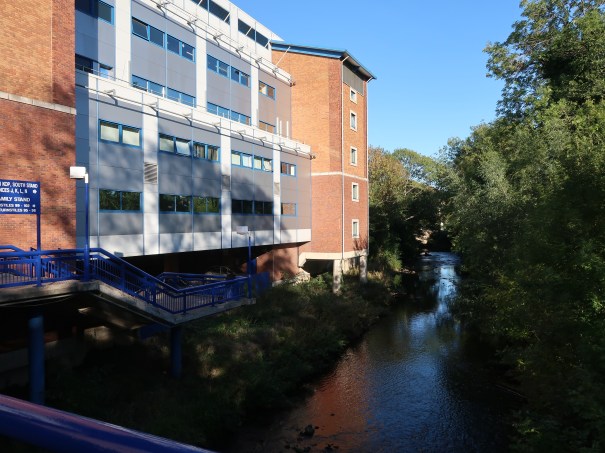
It was not until the tenth anniversary of the disaster that Sheffield Wednesday put up a memorial at the ground, a fact which over the years let to heavy criticism. The memorial is to the left of a bridge over the river Don to the main entrance of the South Stand. The bridge was part of the ground improvements for the Euro ’96-tournament, but you cannot help wondering why the memorial for the 96 victims was not put up at the same time. Especially as the memorial site, where Sheffield Wednesday fans can have their ashes scattered, on the opposite side of the bridge was part of the 1996 project. As far as I have been able to establish, this is, in fact, one of the very first memorial gardens at an English football ground, with only the gardens at Millwall and, possibly, Crystal Palace older.IMG_5172 (2)IMG_5181

We leave the memorials and cross the bridge. There is something special about stadiums located by a river – like The City Ground in Nottingham and Craven Cottage in London. In this case, the quiet and sound of the water form a passage from the memorial area of contemplation to the stadium. Hillsborough is one of five English stadiums opened in the same week early September 1899: Fratton Park, Selhurst Park, Hillsborough, Highfield Road and Blundell Park – and you can add Aberdeen’s Pittodrie to that number.

IMG_5197

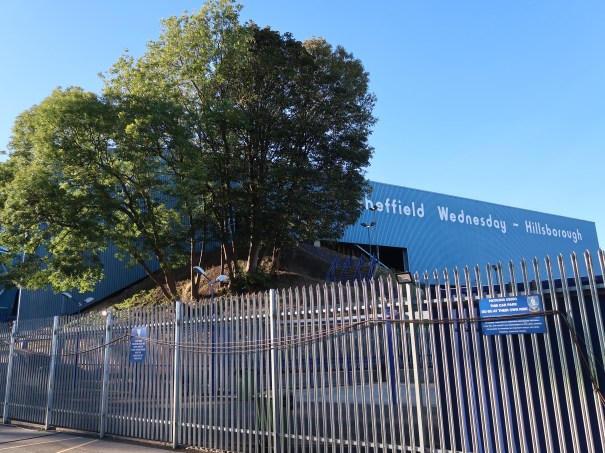
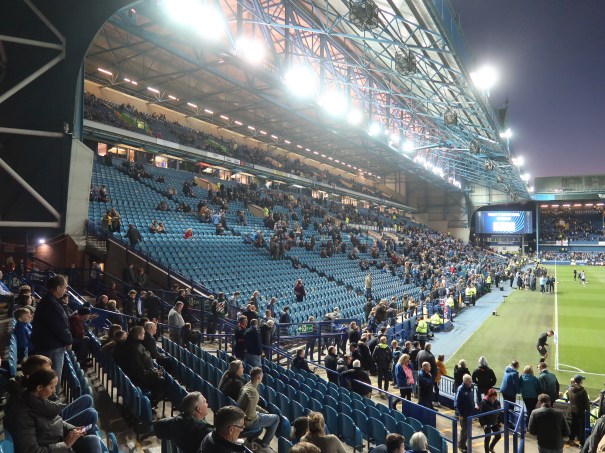
We take a walk around the ground, first heading towards the Spion Kop, from where we will watch the match some three hours later. The Kop End is what I like the most about Hillsborough. To my knowledge, Sheffield United and Sheffield Wednesday are the only league clubs who have preserved the original embankment behind the goal and covered it – first with a roof, then with seats. Other clubs have replaced the embankment with a modern stand containing facilities like toilets and catering.IMG_5209

Kop Ends are named after the Spion Kop hilltop, the site of a bloody battle in the Boer War 1900. This is the stronghold of the hardcore fans. The Hillsborough Spion Kop was opened in 1914, at the time when the stadium was renamed from Owlerton to Hillsborough. In the early days, the embankment sloped from left to right, looking at the pitch. So when it was decided to cover the terrace with a roof in 1986, it was decided to raise the embankment to the right to the same level.

IMG_5298IMG_5301.JPG

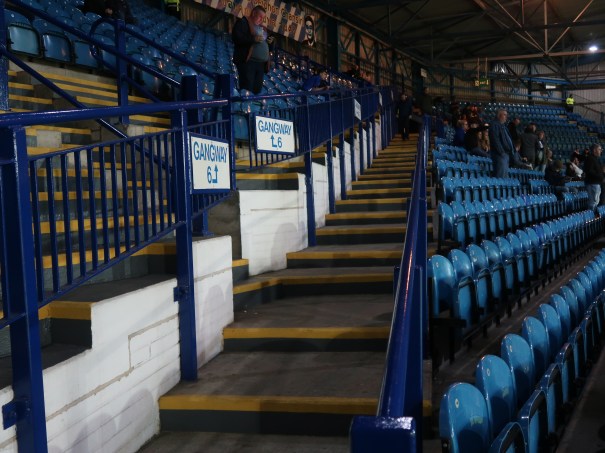
A gangway cuts across the stand from the left hand top corner to the right, indicating the slope of the original stand. After the Taylor Report, the crush barriers of the terrace were taken down and replaced by seats. There is not much leg room, as the seats had to fit the standing terrace. But then, you could argue, there is generally not much leg room in old stands built for seating.

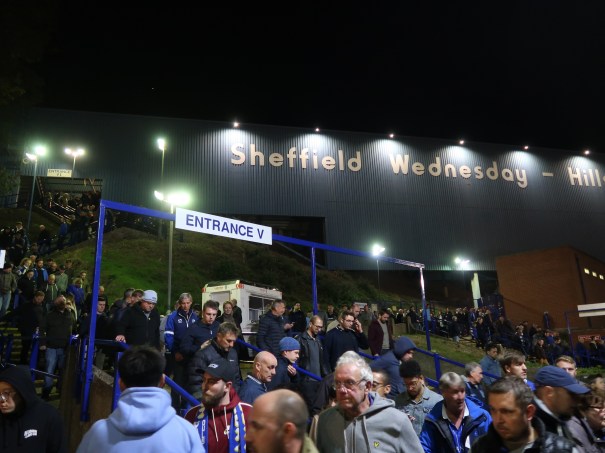
But it is when you climb the stairs to get inside that you really feel the difference. In stead of a dull, concrete and often narrow stairway inside the stand – not any different from a parking house – you climb the stairs up the hillside. Of  course, it may not be that ‘romantic’ on a rainy and windy winter night. But we are here on bright autumn evening. When you stand at the foot of the stairs and see the entrance to the ground at the top, it sends shivers down your spine. You realize that you are about to enter an entirely different setting.

IMG_5285

The anticipation grows as you get closer and closer to the entrance – you can see the light beaming out from there.

IMG_5319 (2).JPG

And there it is. Bathed in floodlights. The ground in all it’s splendor. This is how millions and millions of supporters have experienced entering the sacred world of their football ground for more than a century. Just like the bridge across the Don from the memorials functions as a route of passage, the climb up the Kop has the same aura.

IMG_5292

In his encyclopedia of British football grounds, Simon Inglis expresses his surprise that the Kop is still popular, despite not offering the same catering and toilet facilities indoor like all modern stands. Well, I don’t miss a concourse here. Most concourses are so congested during halftime, whether you queue for the catering or the toilets. And even at the most spacious, like the Etihad, you long to get back to your seat inside the ground. It is not a nice place to be. But there is something magical about being out in the open here at Hillsborough. Walking down to the foot of the hill. Although I do admit that it would probably have felt differently, if the rain had been pouring down!

IMG_5281IMG_5361

Those preferring modern stadiums to old grounds will also argue that the columns supporting the roof restrict the view. I have seen – and partly experienced – stadiums where it has been difficult to get a proper view. But unless you are seated right behind one of them, it is no problem at Hillsborough, Of course, you may have to move your body to be able to follow the action; but that only adds to the feeling of being ‘on location’ rather than being seated at home in front of the television. In the museum business, there is an increasing awareness of the bodily experience. That visitors are alerted if they have to bend down or lean forward to see a thing properly; instead of just seeing things as though they were displayed on a two-dimensional screen. When I can’t have the movement and swaying of a standing terrace, at least the columns make me move inside my seat.

IMG_5334

Apart from the traditional setup, the sheer size of the Hillsborough Kop is impressive. Although seating has halved the capacity to just over 11.000, the fact that it is single tiered make it look more impressive than the two biggest end stands in England, the Stretford End at Old Trafford and the Holte End at Villa Park. Only the Kop at Anfield is bigger single tiered end stand with about a thousand more seats. It feels bigger, and the slightly gabled steel roof enhance the noise of the crowd.

IMG_5289

Whereas Simon Inglis is highly critical about the Kop, the North Stand of Hillsborough seems to be one his favorite stands in English football. He calls it a “sign of modernity”, “the space-age E-Type: a sleek instantly recognisable icon for the 1960’s”. Built in 1961, it was only the second cantilevered stand in English football, and as the first one at Scunthorpe has since been demolished, it is the oldest existing cantilever stand in the game.

IMG_5215IMG_5238

I have not been inside the stand, but looking at the rather slim profile of the stand from the outside, the concourse can’t be that big. This is my first third visit to Hillsborough, and I have thought that I ought to try out the other stands as well. But when it comes down to the day of buying my ticket, the lure of the Kop is too strong to resist. But still, I admit, compared to many other stands, there is something light and elegant about it. Something very 60’ish, indicating that Hillsborough in that decade was the most modern ground in English football.

IMG_5241

To add to the charm, it is partly hedged in by terraced housing. I know that some residents may not relish having a football ground as neighbours. But it adds something special to the stadium experience. A modern ground outside the town centre, surrounded by car parks and open space often feels like a non-place. Whereas old grounds that have shaped or been shaped by the surrounding community has a vibrant feel. In Sheffield Wednesday’s case, the club moved outside the city to open land; but within a few years, the ground had been swallowed up by the expansion of the city. The tram came already in 1901, just two years after the opening of the ground.

IMG_5243

From Vere Road we come to Leppings Lane, the end where the disaster happened. The entrances were rebuilt afterwards, and so, too, the tunnel leading into the stand inside. But basically, the stand is the same. In his book, Simon Inglis suggests the stand should have been demolished as a mark of respect. He may have a point, but on the other hand, with the stand remaining, you are constantly reminded of the disaster and send your thoughts to the victims and their relatives. IMG_5248

Apart from its tragic history, Simon Inglis thinks the Leppings Lane End was a disappointing step backwards in stadium architecture after the bold North Stand. “A numbingly dull , upright, post-and-beam  stand which might well have benn designed ten years earlier”. It was built just in time for 1966 world cup, with fans donating money to make it happen. Maybe they couldn’t afford to raise money for another space-age stand; maybe they preferred something a bit more traditonal.

IMG_5296

Looking at the Leppings Lane from the Kop, it appears as a typically oldfashioned end stand, with two tiers and columns. The roof is at the same level as the North and South Stands, giving the four very different stands some coherence. The tunnel, through which the Liverpool supporters entered, is clearly visible. Seats had been installed by the time the stand reopened in 1991. The 96 seats at the very front in the two sections, where the tragedy occurred, are white as a mark of respect. I can just about make out the thin white line from here. P1250733

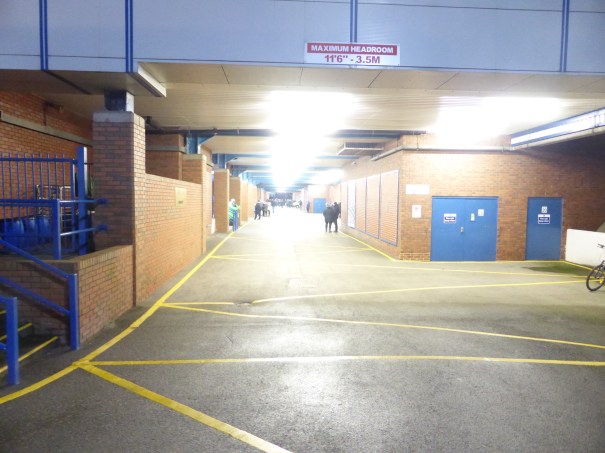
The South Stand was built by Archibald Leitch, and opened in 1914, the same year as the Kop. A second tier and a completely new roof structure, however, were added as part of the preparations for Euro ’96, giving the stand a completely new look. The second tier extends right to the river, so rather than walk around it, you have to walk through the tunnel between the tiers underneath it.  IMG_5198.JPG

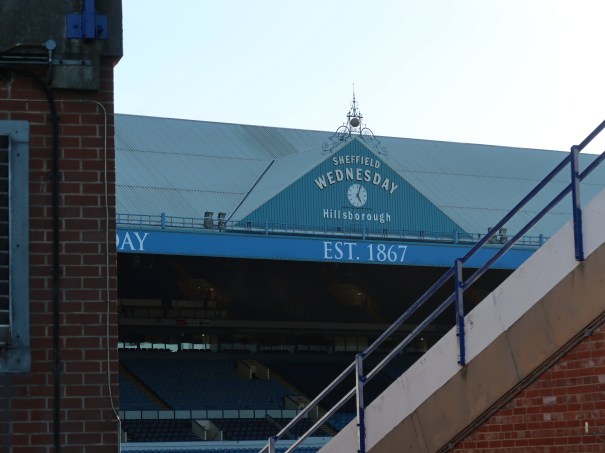
I had hoped that there would be a guided tour around the ground earlier in the day, giving me the chance to look for any visible Archibald Leitch traces in the old first tier. Wednedsday do that kind of tours on matchdays for Saturday kick-offs. But apparently not for Fridays. To its huge credit, though, the club has made a replica of the original Archibald Leitch gable, adorning the roof of the stand. That is the icing on the cake. An Archibald Leitch stand, a traditional Kop end, the space-age 60-ish stand, new stands for the 1966 World Cup and 1996 Euro’s. Four layers of stadium history, reminding visitors that football didn’t start with the Premier League. IMG_5226

The number of grounds from the pre-Premier League age is dwindling fast. And some of the remaining grounds have been completely rebuilt. Hillsborough was arguably the top ground in England from the 1950’s till the 1980’s, hosting more than 30 FA cup semifinals, a League Cup Final replay, World Cup and Euro matches as well as a couple of international matches. It was branded the Wembley of the North. That all changed in 1989.

IMG_5306

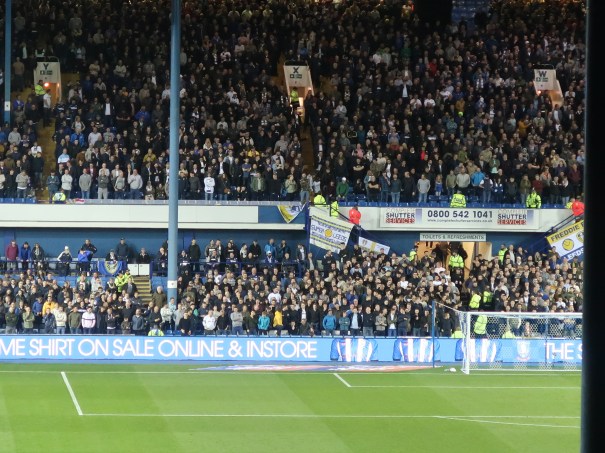
We go to the Rawson Spring for a pint before the match – followed by fish ‘n chips from the chippy just opposite the pub. And then an hour before kick-off, we head for the ground. The crowd is just under 27.000. Not a capacity crowd, but pretty vocal. There doesn’t seem to be as many tourists and corporate guests as you find in a premier league ground. I do my normal sample of 100 fans seated in my section. 76% male, 24% female.

We are seated almost at the very top of the Kop, and as the players enter the field and the crowd starts singing, I realize that we are seated right in front of a drummer and tuba player. I cringe. I am not very fond of drums and ‘ultra’ sections, trying to orchestra the crowd, rather than allowing it to follow the ebbs and flows of the game. But, credit to the two guys. They were quite good, more accompanying the crowd, rather than trying to enforce their repertoire on it. And, in fact, the tuba player was so discreet that one of my mates didn’t notice him!IMG_5327

For the opening twenty minutes, the atmosphere is brillant. I love the way the sound echoes around the Kop. We can see from their gestures, that the Leeds United fans down the other end are singing, but we cannot hear them, as the Kop tries to outsing and outchant them. It is, though, an impressive sight to see an almost full away section, standing, waving, clapping, jumping.


IMG_5339 But as a pattern of Leeds dominance develops on the pitch, the crowd quietens down. Leeds’ players just seem stronger and more composed on the ball. When a Sheffield Wednesday player does manage to beat his man, he seems bewildered what to do next, partly because his team mates seem equally surprised and haven’t made a run for him. Leeds, on the hand, are getting a lot of joy down the wings and manage to put in quite a few dangerous crosses. Then, suddenly, out of nowhere, Sheffield Wednesday’s Adam Reach rifles in a spectacular half volley from more than 30 yards after a throw-in. A truly unbelievable strike, but it is no fluke. Last year, he won goal of the month in December with another long-range effort. IMG_5342 (2)

Fireworks go off down the other end in front of the Leeds United fans. The crowd is buzzing. But, alas, the whistle is blown for half-time shortly afterwards. And when the match restart, the buzz has disappeared. And soon it is replaced by anxiety, as Leeds United have been inspired to try a few shots from the distance themselves, and get an equalizer from one of them some 10 minutes into the half. In his “Saturday, 3 PM”, Daniel Gray has described “Watching an away end erupt” as one of the fifty delights of modern football.  “What makes it so good to watch is the anarchy of movement. Berserk limbs convulse. It is drunken night-club dancing but on tightly-tiered rows.” Leeds United reestablish their dominance. But Wednesday manage to hang on for a draw.

IMG_5351IMG_5360

We climb down the hill again. From the foot of the Kop, you can see fans making their way down the hillside from the main gangways. At that moment, I promise myself that I will go the Kop again for my next visit – even though I still have to do the other stands. There is not much romance of descending a concrete staircase inside a modern ground. But in the lights under the open sky, you are gradually released from the intense atmosphere of the ground. IMG_5365.JPG

The only small complaint, I could have, is that the stadium floodlights are attached to roof and not to high floodlight pylons. Once we have left the Kop End, there is no light from ground spilling into the streets. The trams are not running at the moment – because of “vandalism”. I guess it is as much a precaution. So we end the evening back at the Rawson Spring for a drink or two, before the trams resume service. A long day, leaving Denmark early in the morning to get here. But definitely worth it. With all of the layers of football history inscribed in the ground, this is without question one of the top five grounds for getting a proper taste of English football.

Tagged with: , , , , , , , , ,
Posted in Football grounds

Selhurst Park – searching for Crystal Palace’s memorial garden

P1270814Selhurst Park was high on my football ground wish list this season. For three reasons. Firstly, with Palace about to get the final seal of approval of their plans for a new main stand, the days of the original main stand by Archibald Leitch seem numbered. So it is about time to see it.

Secondly, I am doing a project on football memorial gardens. When I visited Selhurst Park a year ago to see their memorial garden inside the ground, I was told it had been scrapped. Later, I later spoke to the club chaplain. He sounded astonished by this, saying that he couldn’t believe it, but it  admittedly, a couple years since he had last been called upon to participate in a ceremony. Had it been scrapped? It seemed I had to go and have a look for myself. Another reason for putting it high on the wish list.

Thirdly, commentators on Danish Television keep praising Selhurst Park for arguably the best atmosphere in the Premier League. Well, of course, I have to sample that.

P1270817For the past couple of years, I have looked for tickets for Selhurst Park whenever I have been in London, but as demand is much greater than supply, tickets have only been on sale for members. During my visit last year to see the memorial garden, I asked if they did any stadium tours. “Not at the moment”, I was told, but I was advised to sign up for their newsletter to learn when they took the tours up again.

So when I got a newsletter offering special overseas membership, including priority for tickets for the London derby against Spurs AND a free stadium tour, I decided that this was my chance.  I signed up as a member, booked two tickets for the Spurs match, so I could bring my cousin Jorgen, living in London – and then I asked how to sign up for the stadium tour. Well, the membership may have contained free ticket for a stadium tour. The problem, however, was that they still hadn’t any tours planned ….

That was a huge disappointment, and things almost got worse. When I purchased the ticket for a Monday night kick-off, I remember seeing a notice that the match may be moved in case of a FA Cup replay. But with the Crystal Palace out of the cup and Spurs having drawn struggling League One team Rochdale, it seemed a rather academic information – and I forgot all about it. Sunday morning, I got an email from Crystal Palace that I could use my tickets for Monday for the match today – a 12 o’clock kick-off! Spurs had a replay scheduled against Rochdale for the Wednesday.

Crystal_Palace

Wikimedia commons

Fortunately, I was not travelling from Denmark, but from Putney. My cousin and I set off for Selhurst Park right away. As a football club, Crystal Palace is one of the younger English clubs – formed in 1905. But in a sense, its history stretches further back than most clubs’. The name originates from the Crystal Palace built for the first great world exhibition in 1851. An exhibition, I have studied as a historian – an exhibition where Samuel Colt’s famous 1851 Navy revolver was displayed among so many other things, that Karl Marx called it “the emblem of capitalist fetishism of commodities”.

The palace itself was moved from Hyde Park to Sydenham Hill in 1854. From 1895 to 1914, the ‘new Crystal Palace’ hosted the FA Cup Final – and this prompted the owners to decide that they ought to have their own football club, Crystal Palace. However, when the Great War broke out, the armed forces took over the Crystal Palace grounds, and the club had to move. Initially, they played at Herne Hill cycle and athletics grounds, and then the Nest, the ground of recently folded club Croydon Common. But in 1919 they began the purchase of the land in between the housing in Holmesdale Road, Park Road, Clifton Road and Whitehorse Lane. It was completed in 1922 and the building of the new ground, Selhurst Park, started the following year.

Selhurst

National Library of Scotland

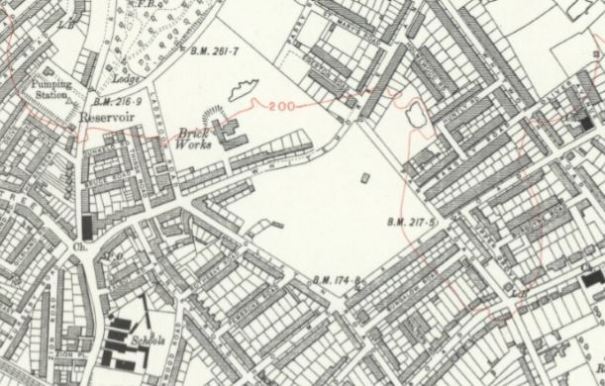
It is quite interesting to consult old maps to see what the area looked like in those days. I have found maps of the Croydon area from 1910 and 1932, that is respectively 14 years before and 8 years after the ground was founded. On the 1910 map, there is a cluster of buildings named “Brick works”, north of the Whitehorse Lane. South the lane, where the stadium was built, there is just one very small building in the middle of a white area on the map. The white area extends right to the Holmesdale Road. On the other side of the road, the current terraced houses has been built.

https://maps.nls.uk/view/101436697#zoom=4&lat=4626&lon=7155&layers=BT

https://maps.nls.uk/view/101436694#

In his football ground bible, Simon Inglis has illustrated the article on Selhurst Park with a photo of Selhurst Park on the opening day in 1924. A brilliant photo showing the fans queuing up outside the turnstiles, the sloping Holmesdale Road terrace and the brand new Archibald Leitch main stand. Inglis has a dig at nostalgic ‘old ground’ fetishists like me: “Fans who complain of modern grounds looking all the same might well reflect on this, the standard Leitch creation, barely different from those he was designing twenty years earlier.” Well, that is, Palace couldn’t afford the roof gable, the exterior brick detailing, and as far as I can see the criss cross iron work on the balcony. So there are differences. But, still, I can see his point.

Having said that, though, I still prefer old grounds to modern grounds for several reasons.

P1270811First of all, the location. Old grounds are usually situated in residential areas. Quite often they have been squeezed in among narrow streets and houses – resulting in irregular stands. Or they have been hindered in their expansion, giving them characteristic features – like scars, wrinkles and warts in an old man’s face. They have grown and changed with the community around them. Most new stadiums are built on ground available and affordable, which is rarely found within the community (although, happily, some clubs do manage that like Arsenal). Therefore, many new stadiums are built in non-spaces – devoid of community life, without any history. Selhurst Park, on the other hand, has been there for almost 95 years. You sense that it is woven into the fabric of the community.

Secondly, you can often detect the history of a club in an old ground. At Selhurst Park, the Arthur Wait-stand is a monument to Crystal Palace finally making it to the top division in English football in 1969. The curious mixture of Sainsbury and Whitehorse Lane stand is evidence of the financial troubles in the early 1980’ies, whereas the impressive Holmesdale Road stand is a remembrance of the early 1990’s, when Palace were relegated in the first season of the Premier League with the highest number of points ever, won straight promotion, only to be relegated again as the first club finishing fourth from bottom to be relegated (as the number of clubs in the league was reduced from 22 to 20). Talk of hard luck. The Holmesdale Road stand today looks as a statement of defiance during those turbulent years. And then, of course, there is still Archibald Leitch’s main stand from 1924. But we will get back to that. In a modern ground like The Emirates, they try to add history with an increasing number of statues outside the ground. But it is just not the same.

Thirdly and finally, many new stadiums with their massive concrete constructions not just look like the parking house architecture, they sound like it. The Archibald Leitch stands, especially those that have still got the wooden floors, generally have a much better soundscapes. There is something hard and metallic in a modern concrete stand.

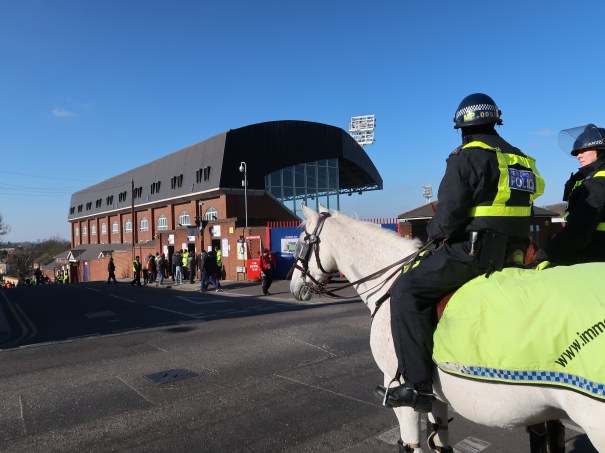
We arrive by train to Selhurst station and walk up the Holmesdale Road. That is what approaching a football ground should feel like. You can see the giant stand in the distance, where the road starts to go uphill. A few grafters are selling Crystal Palace scarfs along the way. Maybe it is because my childhood Danish team, Boldklubben Frem, had the same red and blue colors, but to me they look really stylish.

The Holmesdale Road stand oozes character compared to most modern stands. The brick façade with windows is a reminder of good old-fashioned stands that were built for factory workers and not for money men from the city. The outside stairs, the ticket office booths, the wall, the entrance gates – they all have a retro look. According to Simon Inglis, this is to maintain some semblance of a residential street.

IMG_2222.JPGThe roof is also very impressive – the curve probably gives better shelter against rain and, I could imagine, offers some good acoustics, allowing the noise of the crowd to reverberate inside the ground. But, possibly, the best thing about it is the floodlights. They stand on scaffolds at each corner of the roof, parallel to the floodlights standing on pylons at the other end. They look like horns on a viking’s helmet.

As mentioned, one of the reasons why I am so keen to visit, is to find out if the memorial garden is still there. Having noticed that quite a few British stadiums now feature a memorial garden, where ashes of deceased fans can be scattered or buried, I have made a study of them. As far as I have been able to establish, Millwall’s garden from the early days of the New Den (1994) is the oldest. But two other South London teams run them close; Crystal Palace and Charlton. Charlton’s is from 1999, whereas I have not found the exact date or year of the Palace garden. In a survey on clubs’ policy on the scattering of ashes on the pitch from 2000, Palace answered that they had a strip of grass for the purpose behind the Holmesdale Road stand. The memorial garden.

When I visited Palace last year to see this garden – and was told it had been scrapped – I asked about the founding date. The lady I spoke with, told me that it was there when she started working at the club in 1994. I must admit I doubt it. When the Holmesdale Road End stand was built in 1994-5, 30,000 cubic meters of earth was excavated to a depth of 12 meters at the rear of the stand, and a concrete containing wall was built to prevent the Holmesdale Road caving in. I can’t imagine a memorial garden surviving that …. But it is likely that it was founded shortly after the stand was completed in 1995. (if anybody reading this knows about it, please contact me!)

I had also asked the lady why the garden was scrapped. She explained that a tree in the garden had grown so big, that it damaged the exterior wall. And as the garden was difficult to maintain in the first place, it had been scrapped all together two years ago. When I returned to Denmark from this visit, I went on a Palace Fans forum – and found a debate among Palace fans about the state of the garden. Situated opposite a burger stand, it was littered with rubbish, probably because some fans didn’t recognize that it was a memorial garden. One Palace fan offered to raise a fence around it, and, in fact, he posted a photo of the fence after it had been put up – and the tree had already been felled at the time! Making me doubt the tree-explanation for scrapping the garden.

IMG_2231.JPGI hold up my camera to a gap in the gate at the corner of the Holmesdale Road and take a photo. The white fence is still there. I plan with my cousin that at the final whistle, we will rush to this gate and try to enter. And if security tries to prevent us entering, he will try to distract them, so I can slip in.

We proceed down the Park Road along the Arthur Wait Stand. At the end of the road, another hill rises, with white houses and green areas. You really get a sense of Palace being a community club.

Whereas the Arthur Wait Stand looks invitingly minimalistic, the Whitehorse Lane (or rather Sainsbury’s) stand with the Sainsbury, the Crystal Palace shop and the Crystal Night Club really looks like a patchwork. And, I must admit, so does Archibald Leitch’s main stand. A number of buildings with offices and club reception have been attached, almost camouflaging that it is a stand – certainly, there are no distinctive Archibald Leitch features on the outside.

But it is a nice patchwork. The entrance gates with the Palace Eagle give you a sense of arriving. And a fan zone opposite the main reception attracts a lot of supporters and gives a buzzle of life just outside the ground. And I like the corners, where you can get a glimpse of the Arthur Waits stand opposite.

We enter the stand through some good old Leitch-style turnstiles. I don’t have the nerve to stop to study them for any inscriptions, indicating the date of manufacture. I hope Palace will preserve them, when they build the new stand – perhaps for the club museum that features in the plans for it.

But the stair leading to the concourse feels a bit flat. It is not like walking the stairs at the Gwladys End at Leitch’s Goodison Park. In fact, the concourse as well seems to have been refurbished recently. It has lost the charm of the brick and steel of old stands, without adding much more space. It feels quite flat – it really could be anywhere, we are standing, queuing for our coffee.

But, I forget about the concourse as I look up the narrow stairs to the stand. I can see the characteristic Archibald Leitch steel work on top of the pillar holding the roof. And as I get to the top of the stair, the wonderful sight of a Leitch roof construction greets me. Beautiful.

The paddock at the front of the main stand was converted to seating back in 1979, and the balcony separating it has been removed. You can, however, still discern the paddock from the concrete floor in contrast to the wooden floor in the old seating area.

Together, wooden floor and the gable roof creates such a special soundscape. You feel like in a living room.

The ground looks beautiful in the morning sunshine. Although it is freezing cold, the sky is blue and the February sun bright. The Holmesdale Road End is equally impressive from the inside, although I am glad I am not the camera man, having to climb up to the television gantry at the top.

I particularly like the look of the corner towards the Arthur Waits stand. You can see the housing in the street – and up there, maybe, the memorial garden almost overlooks the pitch. In fact, the position is quite similar to the memorial garden at the Valley. You would have thought that Charlton during their tenure at Selhurst Park from 1985 to 1991 became acquainted with the idea of a memorial garden – and copied it once they had resettled at the Valley. Only, I seriously doubt that the Crystal Palace garden was founded till 1995.

IMG_2300Our seats are at the back of the stand. From there, we cannot see much of the Holmesdale Road End. It is one of the main arguments against old stands that I frequently encounter. The restricted view. I don’t mind a bit, though. Not just because the velved roof contributes to the soundscape. It adds to this – you-are-in-the-theatre-feeling. And to be honest, the pillars may force you to move your body in order to catch every bit of action. But you will have to be sitting stubbornly still to miss any of the action. I remember some 10 years ago in the museum business, one of the really hot trends was to construct showcases in a way that forced visitors out of their passive strolling-by mode. They should have to bend forward or kneel or do something else to be able to see. To become active.

IMG_2323I may not be able to see the entire Holmesdale Road End, but I can see the small group of Crystal Palace ultras with their flags near the corner flag. And hear the noise of their drum. I must admit I am not particularly fond of this ultra-trend, which I am encountering at more and more grounds. A drum may be good for getting a chant going. But more often than not, it is used to create a continuous, monotonous sound, completely out of sync with the flow of the game.

IMG_2354.JPGThe great thing about the atmosphere at Selhurst Park is that you can really hear and feel the roar of the crowd when a chance suddenly opens up. But once or twice, the crowd seems lulled to sleep by the drumming and is slow to get the roar going. I have discussed the drumming at other grounds. Some people argue that with the atmosphere in general becoming more and more subdued, it is great that somebody tries to do something about it. It is just that I don’t think it lifts the general atmosphere. It looks to me as though the ultra-element is fairly cut off from the rest of the crowd. And I remember the Crystal Palace fans away at the Hawthorns a couple of years back, where they were quite vocal without the drum.

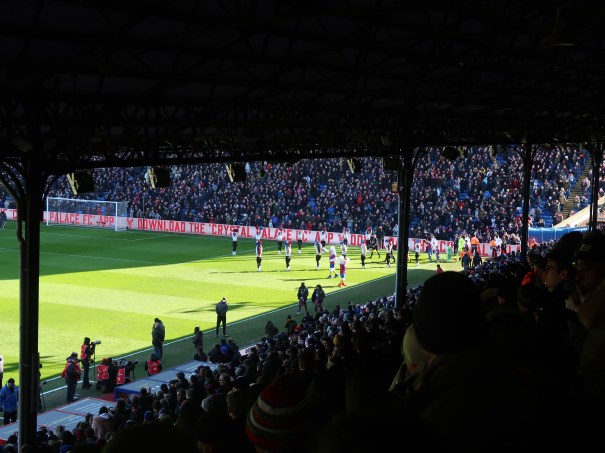
But, of course, travelling to an away match usually sets the fans up in a different way. The Tottenham fans, right opposite our seats, are in fairly good voice, even though they haven’t had to travel very far to get here. And then, Tottenham makes quite a good start to the match. The Crystal Palace defenders live very dangerously in the opening 15 minutes, but then Palace get their act together, and look almost just as threatening on the break.

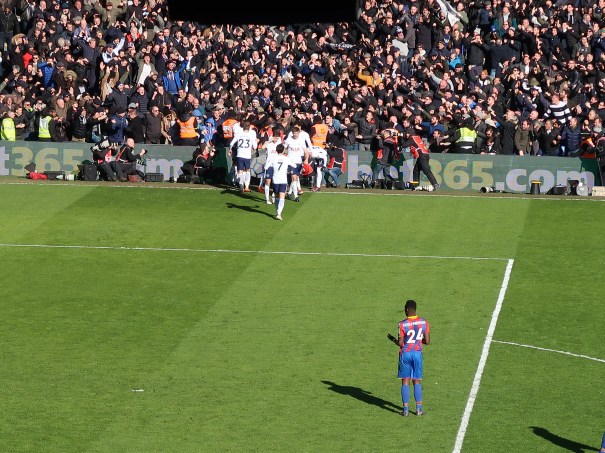
IMG_2379Without being a high-scoring match, it is quite entertaining But in the final 10 minutes, Palace is forced back, and  you just get the feeling that a Tottenham winner is inevitable. And so it proves. Harry Kane, of course. We really do feel sorry for Palace. All their hard work of getting back in the game undone 2 minutes from the end. But the Tottenham fans, of course, are ecstatic.

IMG_2391.JPGAt the final whistle, we rush out of the ground and make our way towards the exit at the Holmesdale Road End to find out if the memorial garden is still there. We are walking against the stream of disappointed fans leaving the ground. Surprisingly, we are not stopped by security as we enter rather than exit the ground. We head for the white fence. It is, as the survey back in 2000 put it, more a strip of grass than a garden. But it is fairly well kept. There are fresh flowers around a stone eagle. An inscription on a stone tells us: “Here lie the ashes of Palace Supporters. The attend every game. Please show them the respect they deserve”.  Clearly, the garden has not been scrapped, as I was told. On the fans forum, there was a photo of a metal plaque with the same inscription. It has been renewed.

It makes me wonder why I was told that the garden had been scrapped. Maybe it is a security issue. For every year security at football grounds, especially in the premier league, is increased. It is probably considered a risk having people coming to visit the garden and pay their respects. It is easier to tell that there is no garden. Or it could be that the plans for the new main stand may interfere with the garden. According to the fans forum, the club plan to move the fanzone from just outside the reception by the main stand to this corner of the ground. And the memorial garden will be in the way for that move.

I do wonder, what the Palace fans think about it. Any comments and stories about the garden – if any of your friends or family have had their ashes scattered there – shall be most welcome for my project on football memorial gardens.

In the end, we leave Selhurst Park quite content. The garden is still there. And we did get to see the Archibald Leitch stand. Of course, I am a little sad that it will be demolished before too long. But not as sad as I was last year to visit the Archibald Leitch stand at Tynecastle. It was still intact – whereas the outside and the interior here has been renovated beyond recognition. And from the photos, the new main stand project does look exciting. They want to strike a resemblance to the Crystal Palace of 1851. And add a museum. To go back to the words of Simon Inglis, you certainly cannot complain that it looks the same as all new grounds. It will be interesting to come back.

Tagged with: , , , , , , , , , , , ,
Posted in Football grounds

“Not fit for modern-day football” – or “a magical monument for 119 years of footballing history”? – Blundell Park, Grimsby

Within the same week in September 1899, five new football grounds staged their first match. Highfield Road in Coventry, Tottenham’s White Hart Lane, Sheffield Wednesday’s Hillsborough, Fratton Park in Portsmouth, and Grimsby Town’s Blundell Park.

Having attended matches at the first four grounds – of which Highfield Road and White Hart Lane now have been demolished, and the future of Fratton Park is in the balance – I am looking forward to completing the set with a visit to Blundell Park. But most of all, I am looking forward to taking my seat in the oldest main stand in the English league.
IMG_3682

Although it is often pointed out that Grimsby Town actually play in Cleethorpes, whereas Cleethorpes play in Grimsby, we decide to take the train to Grimsby Town and walk to the ground. After all, this is a chance to get an impression of Grimsby. According to Wikipedia, legend has it that it was founded by a Danish fisherman. That is not the reason, however, why I have been looking for Grimsby Town’s results over the years. When I started at university in Copenhagen 1982, football fans were few and far between. I finally managed to find one – and his favourite team was Grimsby! They had recently won promotion to the second tier of English football – and he thought it was cool of seaport town to challenge the clubs in the big industrial cities. So I started looking for Grimsby’s results.

IMG_3679

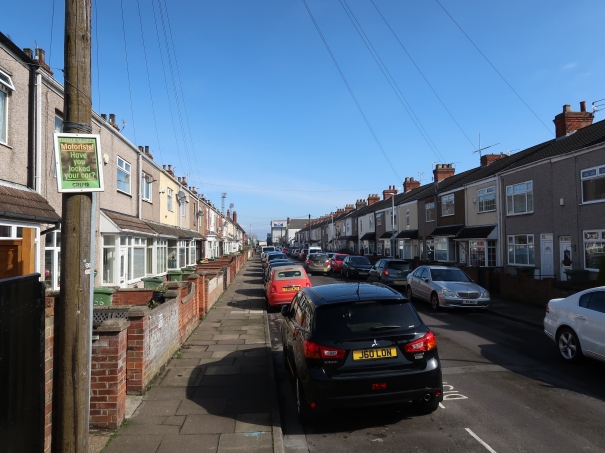
The forty minute walk from the station takes us through street after street of terraced housing. They look very much alike, so it is oddities like seeing two neighbours placing a christmas tree and a palm tree respectively in their tiny front garden that springs out. And the sun! I have been warned that it will be freezing cold with stadium almost next to the North Sea, but we seem to have been blessed with the first real day of spring – sunshine and 7 or 8 degrees.


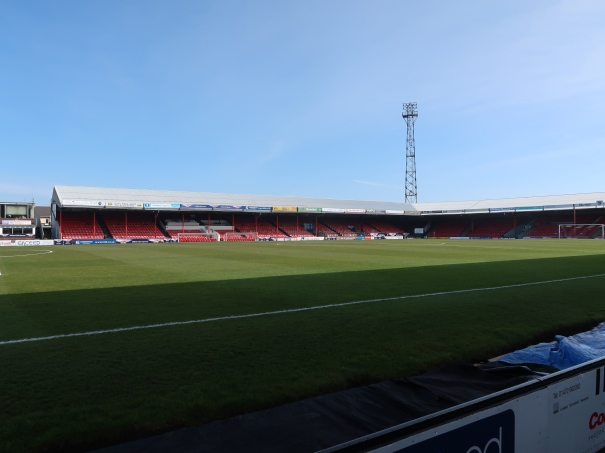
I had written to the club in advance and asked about the possibility of taking some photos of the ground before the match for my blog. And stadium manager Nick Dale has very generously agreed to take me and my son Thomas on a tour round the ground in the morning before the match against Stevenage. As we have tickets for the old main stand, this is the opportunity to take a photo of it from the opposite side of the field.
IMG_3692

Acccording to football ground expert Simon Inglis, Grimsby Town played in Clee Park when the club was formed in 1878, but in 1889 moved to Abbey Park. In 1899, however, the owner of Abbey Park sold the ground for housing, so Grimsby Town moved back to Clee Park and opened Blundell Park in September, bringing two stands from Abbey Park with them. But when they two years later won promotion to the first division, 150 fans pledged to give £10 each to build a proper main stand. And that is the stand that is still there. Amazing! 117 years old, it is the oldest surviving stadium structure in a British football ground.
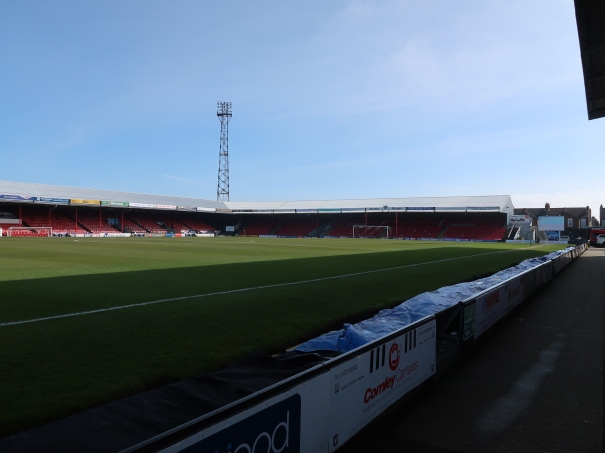
IMG_3693The stand originally only covered about half the length of the pitch, and as Grimsby dropped out of the league, it seemed that it would stay like that. But a second spell in the first division from 1929 generated money to extend it in 1931 towards the corner flag by the end by Neville Street. Here, one of the wooden stands from Abbey Park was standing, until it was replaced by the current Osmond Stand in 1939 – the money this time generated from Grimsby Town’s appearance in the FA Cup semi-final against Wolves at Old Trafford. Amazingly, the crowd of 76,962 remains the highest ever at Old Trafford!

Seen from the opposite side of the pitch, the L-shape of the Main Stand and Osmond Stand may look a bit odd, but it is exactly this fact that gives the ground character compared to modern grounds. Some of the highlights of the club’s history are inscribed or perhaps rather embodied in the stands. The ground doesn’t look like this because some random architect thought it should. It looks like this because of two promotions to the top flight and a record-breaking FACup semi-final appearance.

IMG_3691

The floodlight pylons tell a similar story. Standing 128 feet high on concrete bases, these pylons actually lit up the first floodlit match at Wolverhampton’s Molineux in 1953. Allegedly a 6-year-old George Best attended the match and later said: “it was the floodlights which made football magical for me, it turned football into a theatre”. In 1958, Wolves replaced the pylons, and Grimsby purchased them second hand. Nick tells us that none of his staff feels like climbing them to replace the bulbs, so he has to do it himself. It looks scary, and Nick assures us that it feels even more so, as the pylons sway in the wind that is constantly coming in from the sea.

IMG_3696

As we walk along the Pontoon Stand behind the goal, we notice the considerable slope of the pitch in the goalmouth. It is difficult to catch on a photo, but if an attacking player is clean through in play, he would be ill advised to just trying to roll the ball into the net – it might stop on the way and roll back out in open play. In fact, later during the match, the Stevenage keeper looses his footing three or four times in the first half as he attempts to kick the ball upfield. Maybe because of the slope.

IMG_3731

The slope is there for drainage of the goalmouth. And Nick tells us that the pitch at Blundell Park is actually the original one – one of only five pitches from the Victorian Era. It has never been relaid. No modern mixture of natural and artificial grass, no undersoil heating and drainage systems. Still, the pitch looks perfect – the sloping apparently works. And Nick points out that they hardly ever have cancel a match.

IMG_3708

We get to the main stand – which is made of timber. As I understand Nick, it has always been an all-seater stand, but since writing that several Town fans have pointed out that they used to stand in the paddock at the front – right up till the 1980’s. Of course, the Bradford City fire in 1985 has taken the romantic gloss away from wooden stands, but I must admit that I am very fond of them. The soundscape during a match seems very different to modern, hard, concrete floors. When it is quiet in the stands, there is strange indoor-living-room-feel; but when something happens to get the crowd on their feet, you hear it and feel it.
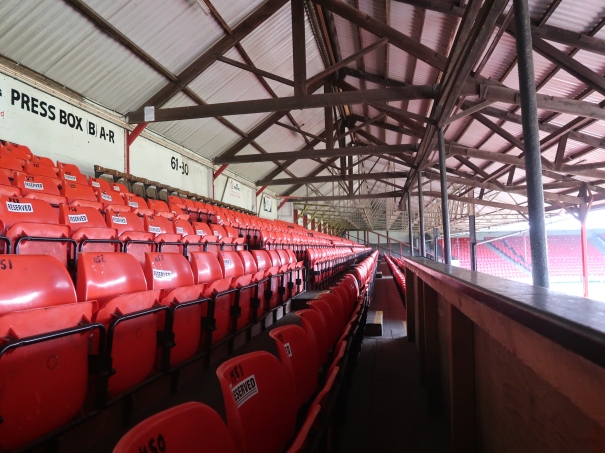
 

IMG_3725

Even the roof construction is made of timber – the Archibald Leitch stands I have visited have all had distinctive steel constructions. And steel was also used for the extension of the stand in 1931, as you can see on the photo above.

IMG_3726

Some people make a great fuzz about pillars in old stands restricting the view. And, admittedly, in some cases I have had my view severely restricted. But these ones are so fine and narrow that they just make you have to move with the flow of the game. Of course, if you are not prepared to move an inch, you may miss a glimpse of the action. But going to a match, you are there to take part in the flow of the game. To go back to the George Best quote on floodlights turning football into theatre, wooden stands and pillars have a bit of the same effect.
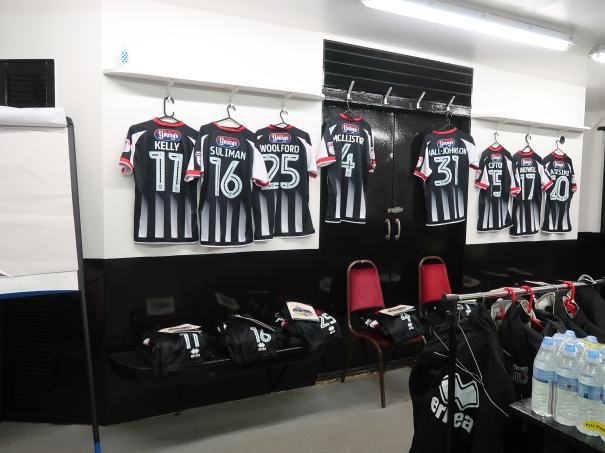
IMG_3710

Nick takes us to have a quick look into the dressing room – with about three hours to kick-off, everything is ready for the players’ arrival.
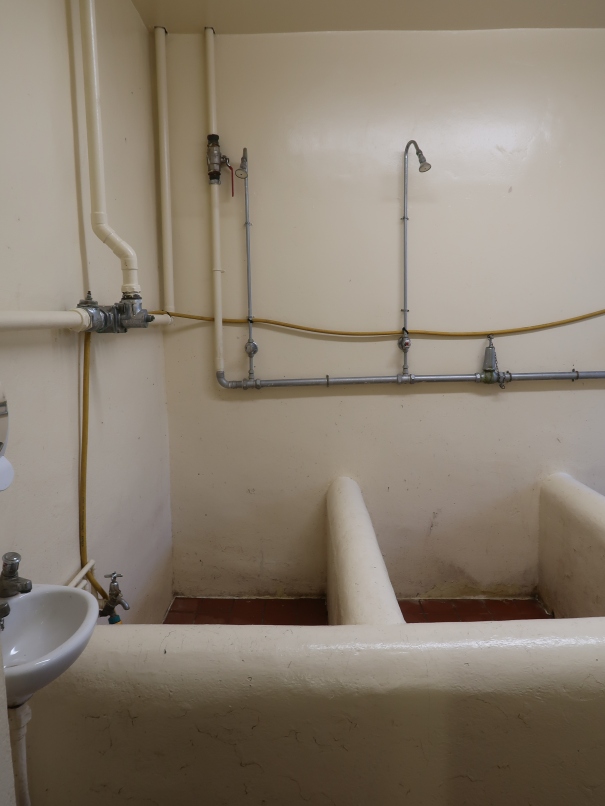
IMG_3711

The old bath tubs are still there, although they are no longer in use. The players have to make do with a shower nowadays. The players would probably prefer a top-modern dressing room – but hopefully the bath-tubs serve as an indirect reminder that Grimsby Town has been playing here for the locals for more than 100 year – and the players are here for a short time to carry on the torch for the fans.
IMG_3713

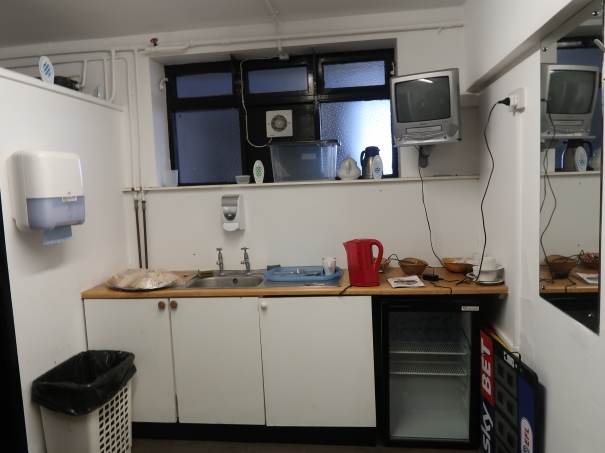
Next stop is the match officials’ facilities. Sandwiches are ready for them, a there is a kettle for them to make some tea. And an old television. Nothing luxurious about this either. But then I remember visiting the similar room at the Etihad. That one seemed almost just as barren – but was in much starker contrast to the players’ dressing room.

IMG_3728

With me and my son both being 6 foot 5, we cannot help noticing that footballers as well as supporters were much smaller when the stand was built 117 years ago: “Mind your head” warnings are really a must here.
IMG_3717

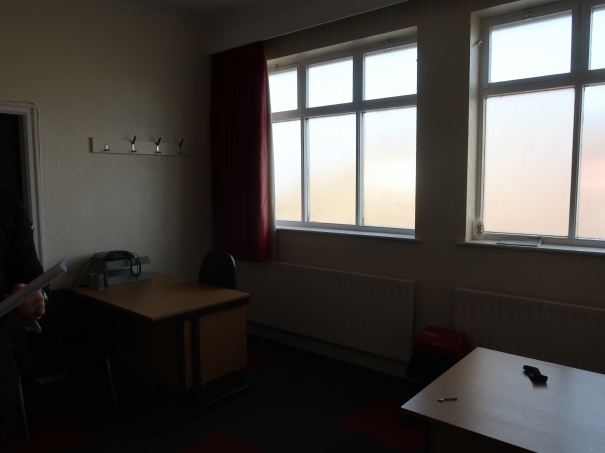
Moving to the top floor, we get a look inside the manager’s office. It looks as though somebody has just cleared it – and, in fact, it is only a few weeks since Michael Jolly took over as manager at the club. Apparently he has spent all time on the training ground until now.
 

IMG_3715

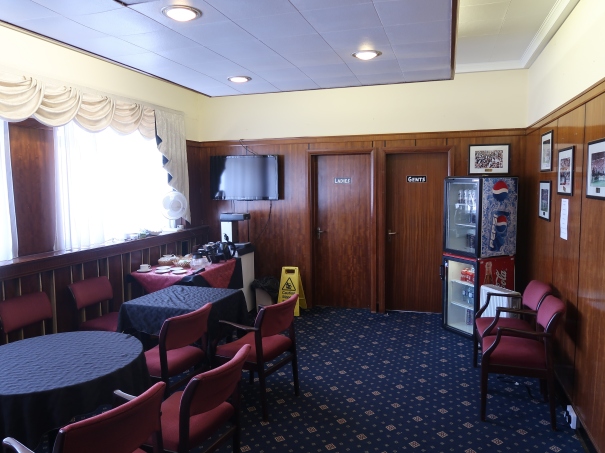
Opposite the manager’s office is the old board room. It is not used by the board anylonger, but it is used for guests on matchdays. Looking at the panels, you cannot help thinking of the pride the 150 supporters, who raised the money for this stand, must have felt back in 1901.
IMG_3719

The same panels mark the entrance to the old directors’ box. Whereas the old wooden seats have been replaced by red plastic seats in the rest of the stand, there are still wooden seats in the box. Apparently different sponsors have led to the mix of colors. I look at the seats with a bit of envy. Not just because it feels more authentic than plastic; there seems to be much more space for the legs here.

IMG_3720

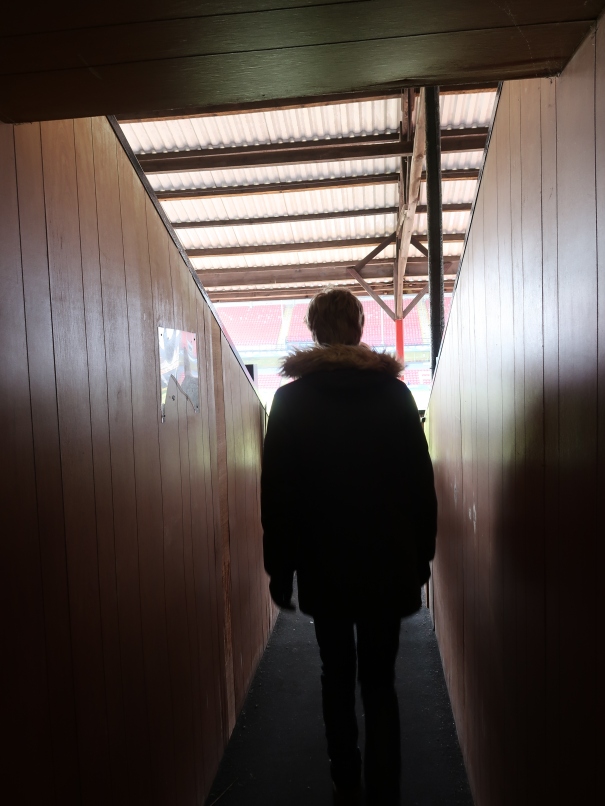
Down the stairs, we take the walk through the players’ tunnel to pitch side.

Opposite us, the two-tier Findus stand towers over approximately half the length of the pitch, very much like the Main Stand used to do until the extension in 1931. It was built in 1980 by fish processing firm Findus – again at a time when Grimsby’s footballing fortunes were on the rise. Even though cantilever stands were quite common by then, the roof is still supported by pillars. The roof only covers the upper tier (from where you supposedly can see the ships sailing by behind the main stand). The lower tier has probably been a standing paddock – in the open. In the middle of the stand, there is row of corporate boxes.
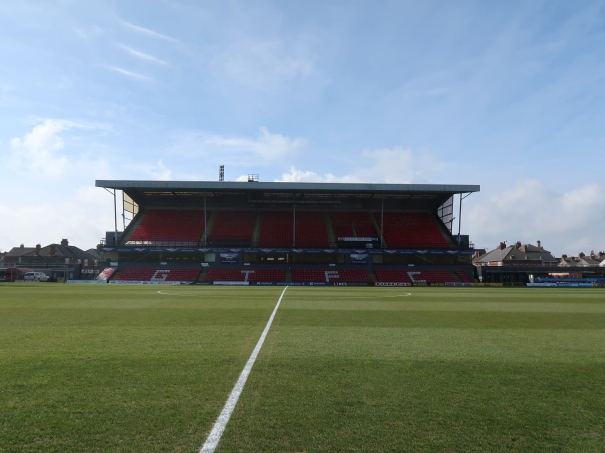
IMG_3732

That is where we head next. The boxes cater for some 150 guests on match days. All of them being served in the same lounge.

IMG_3735

From the boxes, you can clearly identify the 1901-part of the main stand opposite through the red pillars. It is strange that they didn’t extent it to the other side in 1939 when Grimsby earned the FACup money, but opted for the Osmond Stand instead. Maybe the old wooden stand there was is such a bad state that it had to be replaced then. Maybe an extension of the main stand was planned, but the outbreak of the World War and the ensuing slumb in Grimsby’s fortunes put them to a halt? One day, I will have to look closer into the history of that.
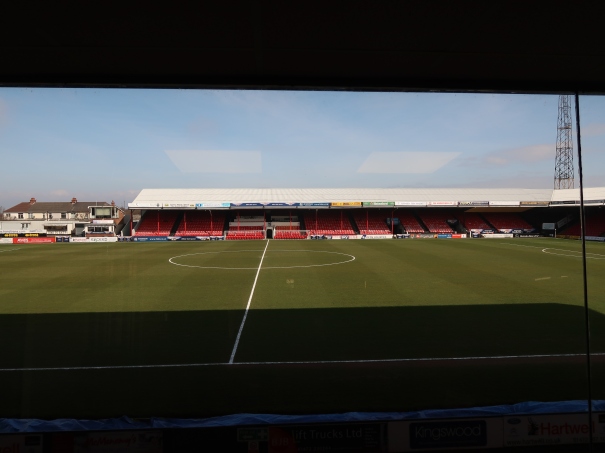
IMG_3736

Having said hello to Grimsby Town commercial manager and former star player David Smith (who tells us that he actually played Denmark in an U-21 match for England in the 1980’s), Nick takes us to the new board room – awaiting the directors’ of both the clubs before today’s game. And I ask him if it is really true that the Grimsby directors still present the visiting directors with a package of fresh fish. Alas, it is not. They stopped back in the 1980’s or early 1990’s. IMG_3740
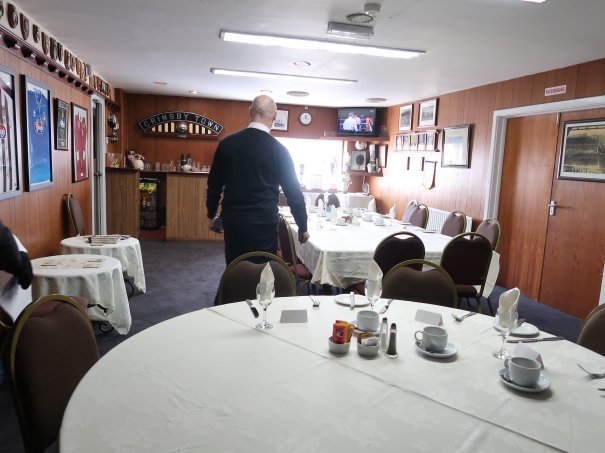
Finally, Nick takes us to the supporters’ bar in the Findus stand – or Young’s stand as it is called at the moment. We have a pie and a drink – and gradually the bar fills with supporters. The mood is not very good. Grimsby hasn’t won since early December and is staring potential relegation to the National League in the eyes. It is only two years since Grimsby managed to get out of the National League after 7 years. The guy next to us has been following the fortunes of his side for more than sixty years. And he will be here next season, no matter what happens. And, he points out, when they were in the National League, they stood out by their massive, loyal away support. Although he didn’t travel to away matches himself – instead he went to see local rivals Scunthorpe, hoping they would lose. In fact, Scunthorpe are on TV against Oxford – and are really playing Oxford off the park.

IMG_3750

Apart from the plight of the team, the supporters are also quite disturbed by the beer being served in plastic glasses. They used to serve it in proper glasses here, but for the last home match against Port Vale, some Grimsby yobs had got into the bar. And as some Port Vale fans had managed to make their way, there had been a small scuffle and glasses had been thrown. First bit of trouble for years, but now the door through which the Port Vale fans had entered had been blocked – and the glass had been replaced by plastic.

IMG_3745

As we are in fishermen’s town, we have to have a fish ‘n chips before the match. So rather than waiting for kick-off, we leave the bar 1½ before kick-off to find a chippy. As we get out, the weather has changed dramatically. From bright sunshine and blue sky to a cold mist blowing in from the sea. The floodlight pylon on the other side of the pitch is difficult to see.
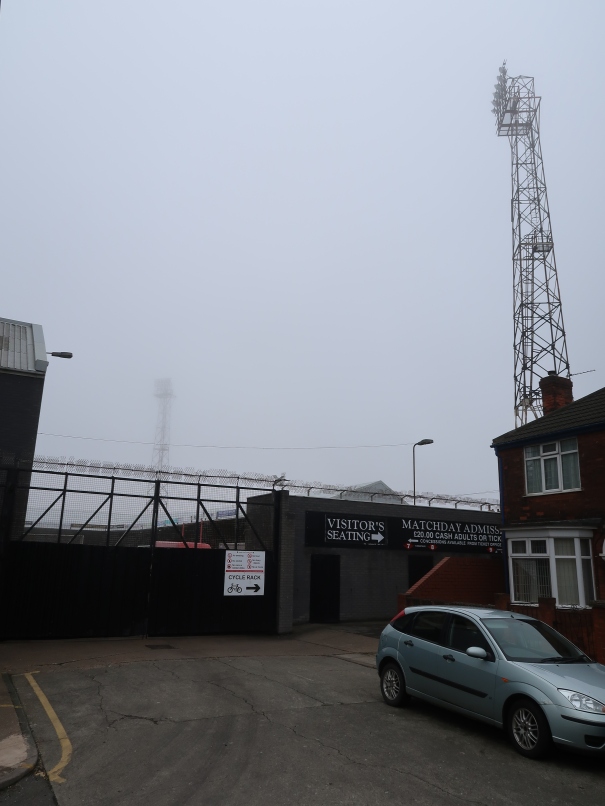
IMG_3751

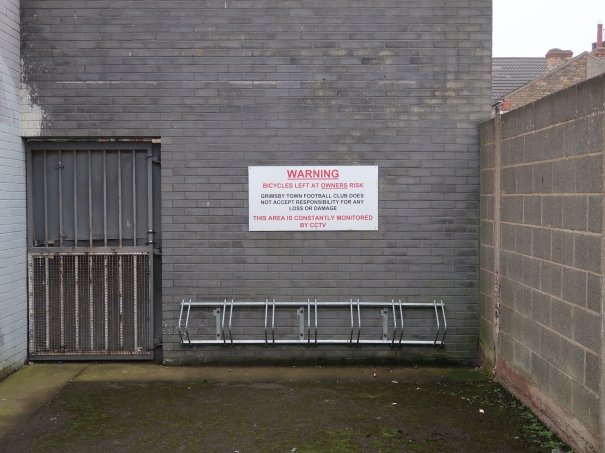
I have started to register facilities at football grounds that probably wouldn’t have been there 30 or 40 years ago. Or seem unusual. Blundell Park is only the second English stadium I visit with official bicycle parking – although they stress that it is at the owner’s risk!
IMG_3753

Finding a chippy turns out to be easy. The Mariners is just around the corner. I think it is quite good – but my son thinks that the ones we usually get at Lou Macari’s before matches at Old Trafford beat it.

After the chippy we walk around the ground towards the official entrance to the Main Stand. There is nothing like a football ground tucked away behind terraced housing. It is as though it has grown out of its local community. The floodlight pylons rising about. And the little glimpses of the stand in the back garden of the houses.

Apart from the two roads leading to the front of the Findus Stand, you can only enter the ground from two alleys from Harrington Street, separated from the coast only by a railroad track. The first alley leads to the visitors’ entrance in the Osmond Stand. The timber facade of the main stand is stunning – just as it is amazing to look into the back gardens of the neighbouring houses immediately behind it.


We continue down the road towards the main stand entrance for home fans. Again – it is really thrilling to catch glimpses of floodlight pylons and the stand between the houses on the street.

Entering the ground, we get a closer look at the wood. We can see the downside to it – it is really a maintenance challenge. But worth it. In most businesses you would like to have a unique brand, setting you apart from competitors. If Grimsby build a modern concrete stadium outside the town – and especially if they drop into the National League – who will go? If they line going back 117 years is broken, how many fans will decide that if they have to go by car to the new ground, why not go all the way to league match in Scunthorpe or Hull?

We find our seats in the stand – perfect! With restricted view – which at no point bothers us. If we were to complain, our knees are hurting because lack of leg space – long before halftime. But that only adds to the sense of being there.

Supporters for the Pontoon Stand enter the ground through turnstiles next to the Findus stand. You can see the housing behind the turnstiles. In many ways, the magic of a football ground is creating a theater, cut off from the exterior world. Two days after this match, we go to the Academy Stadium by the Etihad, where we can hear the heavy traffic just outside the stand. Which ruins the theater-like feeling. Blundell Park is not a closed bowl either. But houses look like a piece of scenography intended to make you feel that you are in Grimsby (or Cleethorpes, as the locals will stress). There is nothing disturbing the atmosphere.

IMG_3804

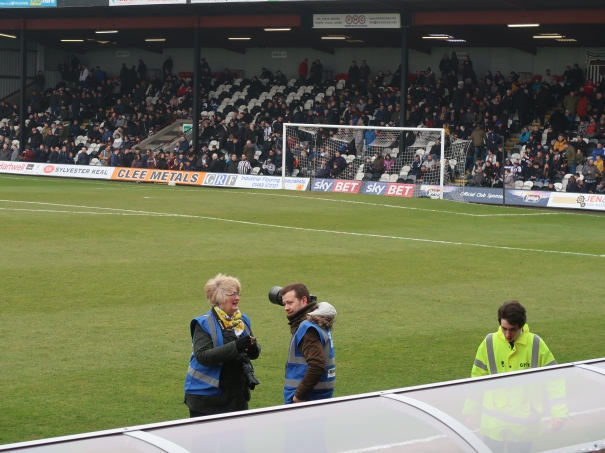
From our seats in the Main Stand, the slope in the goal mouths is clearly visible. It looks as though the club photographer has also spotted it!
IMG_3817

Just before the two teams enter, the floodlights are turned on. We look anxiuously as it seems that one of the bulbs need changing – poor Nick. We are glad we don’t have to do the climb. As I spot a female linesman, I think of the match officials small room. I had thought that it was small for four men. Could there have been separate changing facilities for female match officials in there? Come to think of it, I didn’t get to see if there was more than one shower. Incidentally, she is on duty again three days later, when we are at Oldham.


IMG_3830

As we are seated right behind the benches, it gives a good opportunity to study the contrasting styles of the two managers. Stevenage’s Tunisian manager Dino Maamria is a tracksuit manager. He runs to the 112 away supporters before the match and greets them. He is constantly talking to his players, high-fiving them, padding them on the back.

New Grimsby manager Michael Jolley is wearing a smart suit – although he doesn’t look that comfortable in it. He greets the home crowd for his second home match in charge – but seems to cut a lonely figure, standing on the touchline. He is not talking very much, but his frustrations as Grimsby miss a couple of decent chances are clear to see. Just before halftime he finally communicates with an assistant – to get a coat.

As for the match, Grimsby desperately need the points. And gradually they built up some momentum to create a few good chances. But when you haven’t won for 18 matches, confidence runs low and chances are wasted.
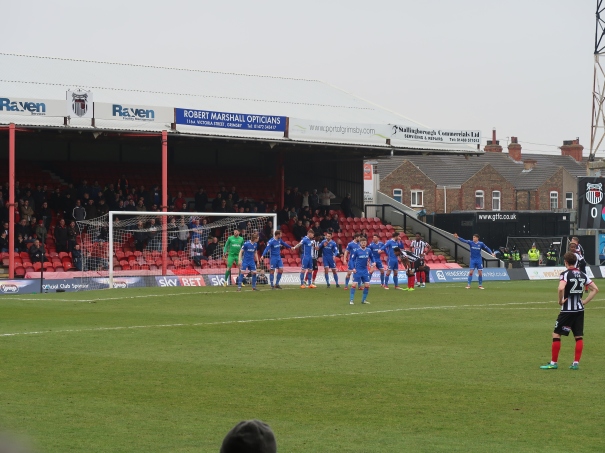
IMG_3857

0-0 at halftime, and I take the opportunity to have a closer look at some of the stadium features. Such as the intersection of the 1901 stand with timber roof construction and the 1931 stand with steel construction.

IMG_3872

The corner linking the Osmond Stand and the Main Stand turns out to be a peculiar no mans land. It probably used to be a standing paddock – but it has not been converted to seats and has therefore been fenced off. The number of seats you can put in there are probably not worth the investment.

The construction of the Osmond Stand is also a bit odd. I wonder if it is two drains right behind the goals – and if so, why they have been placed there? They certainly don’t seem to support anything.

IMG_3881

I head for the gents’ room behind the main stand. Again, I love the feel of it being anything but mainstream, although I realize that during the winter months, you would love to be able to get inside for a bit of warmth during half time – and to have shelter when you are queuing for the toilets.

The second half gets under way – and now Maamria has also given in to the cold mist and put on a coat.
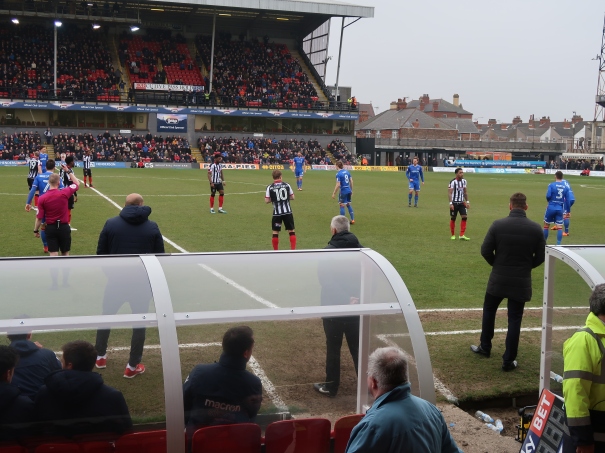
IMG_3900

The match gets more and more tense – and Stevenage have a couple of good chances as well. It may not be football for the purists but it is entertaining – and the crowd of 5,368 create a good atmosphere. There is a small group of Grimsby supporters with a drum. But at least it is not constant banging – so it is not that distracting.
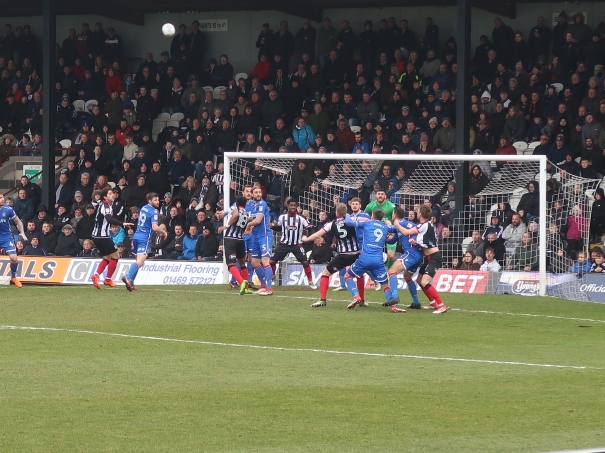
IMG_3905

Opposite in the Findus Stand, a few people get up to leave before the final whistle. But quite a few of them regret -and watch the last few minutes standing, hoping for a late winner. It doesn’t arrive. The match ends in a goalless draw. Frustrating – and the fans seem resigned.

IMG_3925

As we leave the ground, we walk past the Grimsby substitutes’ bench. With the 119 year old Victorian pitch next to it, I come to think of it as an archaeological excavation site. What has been left from that bench over decades? If Grimsby leave the ground, will they allow archaeologists to dig and explore what players have been eating/drinking/smoking over the years?

IMG_3933

As we exit the ground, I look for a sign telling that this is a residential area, asking fans to leave quietly. There are signs like that at other grounds in residential areas. But I don’t spot it here.

IMG_3935

Instead I notice two signs in the alley behind the parked cars. “Please do not park in front of these gates”. The alleys, however, seem to offer the best parking facilities in the small streets around the ground.
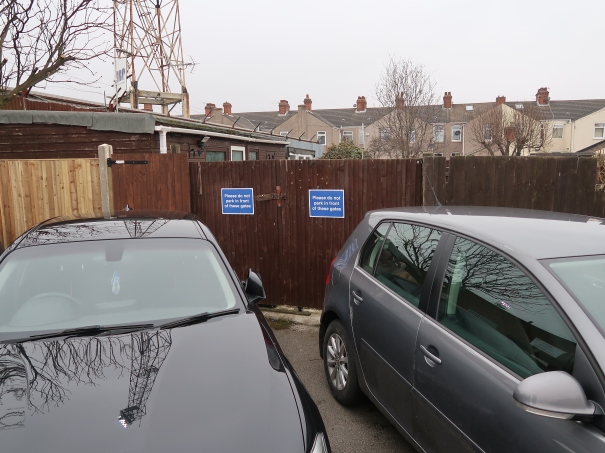
IMG_3936

I had asked Nick about the plans for Grimsby Town to move to a new ground. Well, he answers. There has been talks over the past three decades. And they have located a potential site outside town. But they need to find the funding. The main arguments for moving are costs of maintenance and lack of parking facilities.

As I get back to Denmark and search for more information on the potential move, I find this passage in a report by the North East Lincolnshire Council:. Community Impact and Social Value Assessment.

“Blundell Park, the Club’s current home, was built in Victorian times and is now uneconomic, outdated, and not fit for modern-day football. GTFC is at risk of going out of business unless it follows the pattern of other clubs that have successfully achieved relocation and subsequent sustainability.”

You could also look at clubs who have obtained the opposite by building a new stadium. Darlington, for instance. Nine years after moving to their new stadium, the club was wound up in High Court. Clubs look at potential income from more fans, more hospitality facilities – and an overall increase in turnover from greater number of visitors. But if change is not followed by immediate success on the pitch, what happens then? What happens, if Grimsby is relegated? If fans are angry at not being able to drink their prematch beer from glasses before the match, will they follow a relegated team to see them play in a completely new stadium outside town – that carries nothing of the tradition and history of the club?

In the “Football Stadia and Grounds” facebook group, there are lots of fans complaining about their new ‘soulless’ grounds. You could argue that only a special segment of fans are members of such a group. And that the majority will enjoy the comforts of good parking facilities, unrestricted view, more leg-room in the stands (although it is not necessarily good even at new grounds), more catering- and hospitality facilities. But you could argue that if convenience is the main thing, then a new stadium won’t count for much, if you are relegated.

If they leave, the club will be selling 120 years of history. Of promotions and FA Cup semifinals in their heydays. Of the floodlight pylons that captivated George Best at Molineux. Of the Victorian pitch. Of the Findus stand from the time when Grimsby got up to the second tier of English football again. The stadium is a monument over the club’s history. Which must be dear to the heart of the club’s true supporters.

The verdict that it “was built in Victorian times and is now uneconomic, outdated, and not fit for modern-day football” sounds as though it has been made by businessmen or politicians with no sense of history – and no knowledge of the importance of ‘place’ for identity.

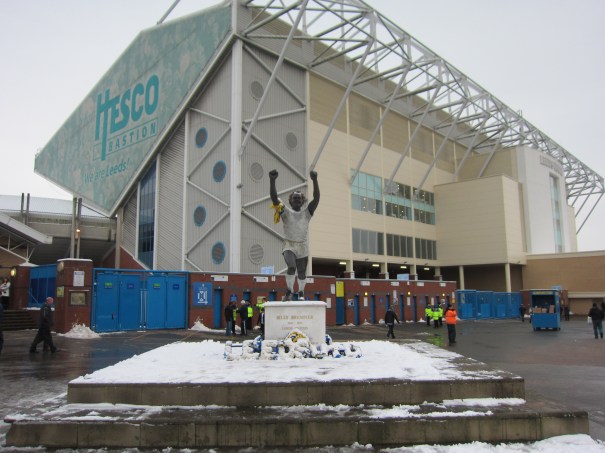
 

Tagged with: , , , , , , , , , , , ,
Posted in Football grounds

Enter your email address to subscribe to this blog and receive notifications of new posts by email.
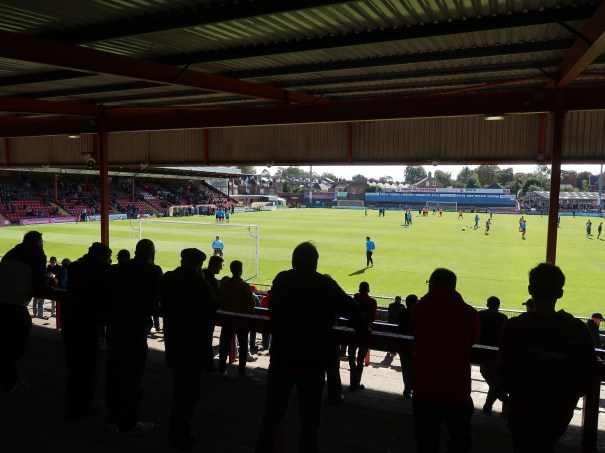
Join 4,517 other subscribers
Follow Football and material culture on WordPress.com